

If you’ve ever been to the Mile High City, whether it was to visit the museums, fine dining restaurants, art exhibits, and local music, or to head outdoors to the mountains or Cherry Creek State Park, you may have gotten curious about the state of real estate investing in the area. With its unique, distinctive vibe for the Denver metro area and over a dozen natural springs nearby, not to mention iconic views and other nearby attractions such as skiing opportunities, this gorgeous area of the United States is popular among real estate agents and investors for numerous reasons. Let’s take a look at the housing market forecast for 2026 as well as the top neighborhoods best suited for rental investors, plus three up-and-coming neighborhoods that pose compelling investment opportunities.
Key Takeaways
- Mortgage rates remain elevated; Freddie Mac reported the 30-year fixed-rate mortgage averaged 6.48% as of June 4, 2026, making property-level cash-flow underwriting more important than ever for Denver investors.
- Denver home prices have softened in some datasets: Zillow’s Denver city average home value was $541,899, down 4.2% year over year, while Redfin’s Denver city median sale price was $610,000 for the three months ending April 2026.
- Denver rents softened in early 2026, with current estimates ranging from about $1,600 median metro rent to roughly $1,950 to $1,983 average Denver rent depending on source and property type; metro Denver apartment vacancy reached 7.6% at year-end 2025, the highest in 16 years.
- West Colfax offers transit access and redevelopment appeal, but current data shows price softness; Zillow reports West Colfax average home value at $632,734, down 5.7% year over year. Investors should verify current pricing and run property-level return assumptions before committing.
- Lowry, Villa Park, and Elyria-Swansea may appeal to investors looking beyond Denver’s highest-priced neighborhoods, but each requires block-level due diligence on pricing, tenant demand, infrastructure, and redevelopment timelines.
- Turnkey rental properties are typically marketed as rent-ready and may include renovation, tenant placement, and property management depending on the provider, but vacancy, maintenance, and tenant-default risk remain.
- Fractional real estate platforms like Ark7 offer an accessible alternative to direct ownership, with shares starting as low as $20 per share and no property management responsibilities for the investor.
- Denver property taxes vary by location and taxing district; a commonly cited effective-rate estimate is roughly 0.45% to 0.5% of market value, but investors should verify parcel-level taxes before underwriting a deal.
New to passive real estate investing?
Explore Ark7 OpportunitiesReasons to Invest in the Denver Real Estate Market in 2026
The last few years have been challenging for real estate investors, with elevated inflation and high interest rates mixed with limited housing inventory. As 2026 unfolds, the landscape is shifting in some ways, though Denver’s market calls for careful, data-driven underwriting rather than broad optimism. Here are some of the key factors shaping Denver investment conditions right now:
- Mortgage rate context: Rates have come down from their 2023 highs above 7%, but remain elevated. Freddie Mac reported the 30-year fixed-rate mortgage averaged 6.48% as of June 4, 2026. Investors can always refinance as conditions change and equity builds, but current financing costs should be factored carefully into cash-flow projections.
- A more balanced market: Denver’s market has shifted toward buyers and investors in some submarkets, with sellers and their agents adjusting expectations on pricing. This creates more room for negotiation than existed in the frenzied 2021 to 2022 period.
- Increase in inventory: New construction homes continue to add supply across the metro, and more existing homeowners are listing. More options can create better entry prices for investors who do their homework on specific neighborhoods and property types.
More inventory may reduce competition in some submarkets, but buyers still face affordability challenges from high prices and elevated mortgage rates. Whether a property is cash-flow positive depends heavily on property-level underwriting, financing costs, vacancy, and operating expenses.
Denver Housing Market Snapshot for 2026
Here is what current data shows as of mid-2026:
- Denver city average home value: $541,899, down 4.2% year over year (Zillow)
- Denver city median sale price: $610,000 for the three months ending April 2026, down 1.3% year over year (Redfin)
- Median metro rent: Approximately $1,600 (Apartment List, February 2026) to $1,950 to $1,983 average Denver rent (Trulia/Zillow), depending on source and property type
- Multifamily vacancy: Metro Denver apartment vacancy reached 7.6% at year-end 2025, the highest in 16 years (Apartment Association of Metro Denver/Colorado Sun)
- Property tax rate: Roughly 0.45% to 0.5% of market value as a commonly cited effective-rate estimate; verify parcel-level taxes before underwriting
Metro Denver continues to grow, but at a slower pace than in past boom years. Recent Census estimates show metro Denver grew 2.8% from 2020 to 2024, while Colorado’s statewide growth slowed to approximately 0.4% in 2025. Continued population growth supports long-term housing demand, but investors should not assume uniformly strong rental conditions across all submarkets.
10 Best Neighborhoods in the Denver Housing Market for Rental Investors

The Denver housing market continues to attract rental investors seeking promising opportunities for growth and revenue. With its diverse neighborhoods and active economy, Denver offers a range of options for investors looking to tap into the rental market. Below, we explore the best Denver neighborhoods for rental investment properties, examining their unique characteristics and key considerations.
West Barnum
West Barnum, a hidden jewel within Denver, draws investors with its prime location and relative affordability. Its close proximity to downtown Denver grants residents easy access to urban amenities while maintaining a quieter atmosphere, typical of a southwest Denver neighborhood. Investors should conduct block-level due diligence on infrastructure and property-specific factors that might influence values. Overall, this Mile High City neighborhood offers a blend of urban convenience and suburban tranquility for those seeking a balanced investment opportunity.
What Makes West Barnum Stand Out in 2026
- Relative affordability compared to premium North Denver neighborhoods
- Large lots with skyline views appeal to families and long-term renters
- Value-add renovation opportunities in a neighborhood with improving fundamentals
- Proximity to downtown without the premium pricing of adjacent areas
RiNo (River North Art District)
RiNo’s eclectic charm and cultural vibrancy create an appealing environment for rental investors and young professionals. Its flourishing art scene, abundant entertainment options, and trendy eateries attract a diverse tenant demographic. Investors should be mindful of higher property prices driven by the district’s popularity.
A Word of Caution for 2026
The multifamily market in RiNo has experienced some softness due to new apartment supply delivered between 2022 and 2025. Investors should proceed carefully and look for unique properties like industrial conversions that stand out from the crowd.

City Park
City Park’s lush green spaces and cultural attractions make it an attractive choice for tenants seeking both relaxation and entertainment. Investors should consider the competitive market and the property costs that come with a well-established, desirable neighborhood. The neighborhood’s charm and accessibility are significant draws, though they come with commensurate pricing.
Chaffee Park
Chaffee Park emerges as a promising investment destination due to its growing popularity and access to amenities. This neighborhood offers investors the opportunity to enter a market with potential for appreciation. Investors should remain attentive to ongoing development projects that might impact property values and stay current on pricing as the area evolves.
Washington Park
Washington Park’s picturesque setting and strong sense of community make it a desirable rental location for single-family homes. The demand for rentals remains robust, but investors should weigh this advantage against property prices in one of Denver’s most sought-after areas. Cherry Creek reports a Zillow average home value of $1,231,468 and a Redfin median sale price of $1.4 million for the three months ending April 2026, reflecting the premium pricing typical of this part of Denver.
2026 Investment Snapshot
- High property prices in this area reflect the neighborhood’s prestige and desirability
- Properties near the park itself command the highest premiums
- Investors should run current property-level figures to assess yield potential given elevated entry costs
- Best suited for investors prioritizing long-term appreciation and tenant quality over near-term cash flow

West Colfax
West Colfax’s urban renewal projects spark interest among investors seeking to capitalize on a neighborhood’s revitalization. The ongoing development enhances the area’s appeal and accessibility, and the W Line light rail corridor via the Perry Street station provides genuine transit connectivity. However, investors should note that current data shows price softness: Zillow reports the West Colfax average home value at $632,734, down 5.7% year over year. Remove any appreciation or yield assumptions from your underwriting and verify current rents and pricing before committing.
West Colfax Considerations for 2026
This neighborhood has features that may interest investors exploring fractional real estate investing, including its light rail corridor access. However, investors should:
- Use current Zillow and Redfin neighborhood-level data rather than broad forecasts
- Compare property-level rents to current listings rather than relying on published ranges
- Understand that West Colfax pricing relative to neighboring Highlands varies significantly by property type and block; verify with a current comp pull before assuming any specific price gap
Lower Downtown (“LoDo”)
Lower Downtown (“LoDo”)
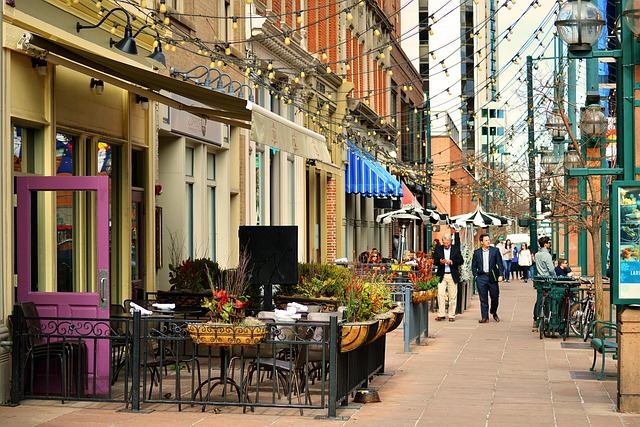
Lower Downtown, known as LoDo, marries historical charm with modern amenities, attracting a diverse tenant base. Its unique fusion of old-world ambiance and contemporary offerings fosters a captivating living experience. Investors should consider higher property costs driven by the neighborhood’s desirability. LoDo’s investment appeal thrives on its ability to offer tenants a balance between nostalgia and modern convenience.
Lower Highland (“LoHi”)
Lower Highland, or LoHi, stands as a trendy and lively destination for investors looking to attract youthful demographics and young professionals. Its vibrant atmosphere, dynamic community, and proximity to local hotspots create a desirable living environment. Investors should be aware of elevated competition and the new apartment supply that has affected multifamily vacancy across the metro, which may affect rental property demand in high-density areas.
Hampden South Denver
Hampden South offers a suburban haven with excellent city accessibility, attracting tenants seeking a balanced lifestyle. Its peaceful South Denver ambiance complements the convenience of urban amenities. Investors should remain mindful of potential transportation congestion impacting the area’s appeal. The blend of suburban comfort and urban proximity positions Hampden South as a potential option for renters seeking the best of both worlds.
Uptown (“North Capitol Hill”)
Uptown, also known as North Capitol Hill, offers a blend of historic charm and modern amenities in a central Denver location. This neighborhood’s central location and diverse entertainment options create a compelling investment opportunity. Investors should be aware of potential parking challenges and the need for property maintenance in a bustling urban setting. Uptown’s balance between nostalgia and progress attracts tenants who seek a multifaceted living experience.

Congress Park
Congress Park’s tree-lined streets and community charm position it as an attractive rental investment option. The proximity to parks, local shops, and dining establishments enhances its desirability. Investors should consider the competitive rental market and the property prices that accompany a well-loved neighborhood. Congress Park’s peaceful environment and convenient access to both urban and natural amenities offer tenants a well-rounded lifestyle.
Park Hill
Park Hill’s residential appeal and community spirit make it an investment-worthy neighborhood. Its quiet streets and family-friendly atmosphere attract a diverse range of tenants seeking a suburban feel with ample green spaces. Investors should account for property maintenance costs and stay current on evolving market dynamics. Park Hill’s sense of community and suburban tranquility provide renters with a serene escape from the urban bustle.
Benefits of Denver Turnkey Rental Properties
Investing in real estate has long been hailed as a smart financial move, and Denver’s housing market continues to attract investors. Among the various real estate strategies available, turnkey rental properties have emerged as a popular choice. Here are the key advantages to understand.
Seamless Entry into Real Estate Investing
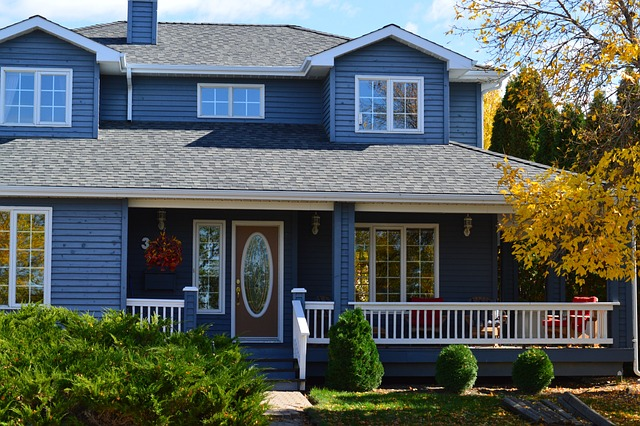
For those new to real estate investing or seeking a lower-friction way to expand their portfolio, turnkey rental properties provide an accessible entry point. Turnkey rental properties are typically marketed as rent-ready and may include renovation, tenant placement, and property management depending on the provider. This eliminates much of the time-consuming rehabilitation work. In Denver’s market, this can allow investors to move forward without delays caused by repairs or renovations.
This is particularly relevant for out-of-state investors or those with limited time to oversee property operations. A property management team typically handles tenant placement, rent collection, maintenance, and other operational aspects.
For investors looking for an even more accessible approach, platforms like Ark7 let you buy shares in curated rental properties starting as low as $20 per share, making real estate investing more attainable than ever. As of May 2026, Ark7 reports 300K+ active investors, $30MM+ in property value funded, and $4MM+ in cash dividends paid.
Potential for Rental Income and Reduced Operational Burden
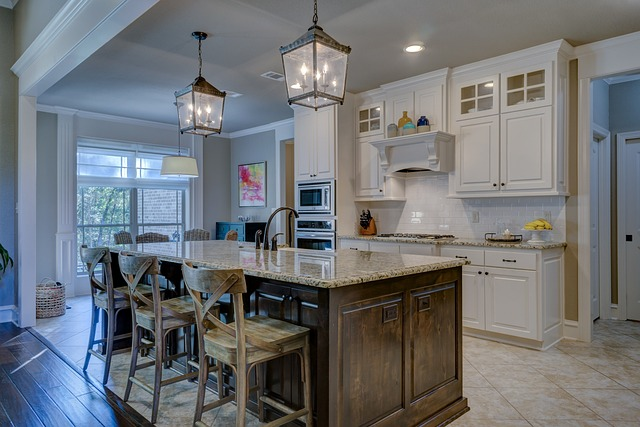
One of the advantages often cited for turnkey rental properties is the potential for rental income from a more operationally manageable starting point. Some turnkey properties are sold with tenants in place, which may allow rental income to begin relatively quickly, but vacancy, maintenance, and tenant-default risk remain. A property management team can reduce the day-to-day operational burden, handling tenant inquiries, lease renewals, and maintenance concerns.
Investors should verify current Denver rent levels and vacancy rates before assuming specific income figures; metro Denver apartment vacancy reached 7.6% at year-end 2025, so underwriting should account for realistic vacancy assumptions.
Access to Denver’s Long-Term Market Fundamentals
Denver’s real estate market has shown long-term resilience, and turnkey rental properties offer investors exposure to that market without requiring in-depth renovation expertise. Properties should be selected in locations with verifiable rental demand, and investors should analyze current rents, vacancy, taxes, insurance, and management costs before projecting returns. Denver’s diverse job market, outdoor lifestyle, and continued population base support long-term housing demand, even as near-term rental conditions have softened.
Top Three Up-and-Coming Denver Neighborhoods for Real Estate Investing
As property values remain high across much of the city, some investors are looking at neighborhoods that may offer relatively accessible entry points. The three neighborhoods below may appeal to investors looking beyond Denver’s highest-priced areas, but each requires block-level due diligence on pricing, tenant demand, infrastructure, and redevelopment timelines.
Lowry
Nestled southeast of downtown Denver, Lowry is experiencing a revival that is attracting the attention of real estate investors. Once a former military base, Lowry has transformed into a neighborhood that blends suburban character with urban convenience. The presence of schools, parks, and a range of amenities adds to the neighborhood’s family-friendly appeal.
Investors are drawn to Lowry’s improving fundamentals as redevelopment continues. With its planned layout and diverse housing options, Lowry may offer solid rental demand for patient investors who conduct thorough property-level due diligence.
Villa Park
Villa Park, situated to the west of downtown Denver, is undergoing changes that may interest real estate investors. As a neighborhood with a strong cultural character and proximity to downtown Denver and major transportation routes, it offers convenience and accessibility.
As revitalization efforts gain momentum, property values may shift over time. Investors should research current pricing and comparable rents carefully, as Villa Park’s trajectory depends on the pace and scope of ongoing neighborhood investment.
Elyria-Swansea
Nestled just north of downtown Denver, the Elyria-Swansea neighborhood is on the cusp of redevelopment activity that some investors are watching closely. Historically an industrial and environmental-justice area, the neighborhood is undergoing infrastructure improvements and enhanced connectivity tied to the National Western Complex and adjacent development.
Elyria-Swansea’s strategic location near major highways and the National Western Complex positions it for potential long-term growth. However, investors should approach this neighborhood as a longer-horizon, higher-due-diligence opportunity. The timeline for full redevelopment remains uncertain, and the area’s industrial history warrants careful review of environmental and infrastructure considerations.
A Note for Investors
These three neighborhoods are best suited for patient investors comfortable with longer hold periods and willing to invest time in block-level research. Significant growth potential should not be assumed; verify current market data and redevelopment timelines before committing.

Conclusion
Denver offers a broad range of real estate investment options, from established premium neighborhoods to emerging areas still finding their footing. Both seasoned and first-time investors can find compelling opportunities across the metro, from condos and townhomes to apartment buildings and single-family homes. The key in 2026 is disciplined, data-driven underwriting that reflects current mortgage rates, softening rental conditions in some submarkets, and elevated apartment vacancy across the metro.
Why Denver Stands Out for Real Estate Investment
Despite near-term market softness in some areas, Denver’s long-term investment case remains grounded in real fundamentals:
- Metro Denver grew 2.8% from 2020 to 2024, with continued population inflows supporting long-term housing demand.
- Denver’s diverse economy, outdoor lifestyle, and strong job market continue to attract residents and renters.
- A range of neighborhoods, from value-oriented West Barnum to prestigious Washington Park, means investors at different capital levels can find opportunities with the right research.
Investor Tips for Engaging with Denver’s Property Market
Use current neighborhood-level data from Zillow and Redfin rather than metro-wide averages when underwriting a specific property. Verify parcel-level property taxes, which vary by location and taxing district. Model vacancy conservatively given metro Denver’s elevated 7.6% apartment vacancy rate at year-end 2025. And if the active demands of direct ownership are not the right fit, Ark7’s platform offers a compelling path forward, with shares starting as low as $20.
Frequently Asked Questions
What is the nicest neighborhood in Denver?
While the definition of “nicest” varies based on personal preferences, Denver boasts several neighborhoods renowned for their charm, amenities, and quality of life. Areas like Cherry Creek, Washington Park, and Hilltop often top the list. These neighborhoods offer a mix of upscale living, beautiful parks, vibrant cultural scenes, and easy access to dining and entertainment. The right neighborhood for you depends on your lifestyle, preferences, and investment goals.
What is the most expensive neighborhood in Denver?
Cherry Creek frequently ranks as Denver’s most expensive neighborhood. Known for its upscale boutiques, gourmet restaurants, and luxurious homes, Cherry Creek commands premium prices; Zillow reports a Cherry Creek average home value of $1,231,468, and Redfin reports a median sale price of $1.4 million for the three months ending April 2026. Other affluent neighborhoods include Hilltop, Country Club, and Washington Park.
Is Denver a good place to invest in real estate?
Denver has historically attracted real estate investors due to its strong job market, diverse economy, and population growth. The current 2026 landscape is more nuanced, with home values softening in some datasets, rents declining year over year in some measures, and elevated multifamily vacancy. Investors who conduct thorough, property-level due diligence and underwrite conservatively can still find opportunities, but broad assumptions about appreciation or cash flow should not be made without current data.
How can I invest in Denver real estate with limited funds?
If you do not have the capital for a full property purchase, fractional real estate investing offers an accessible alternative. Platforms like Ark7 allow you to purchase shares in professionally managed rental properties for as little as $20, potentially earning monthly distributions without the hassle of property management. As of May 2026, Ark7 reports 300K+ active investors, $30MM+ in property value funded, and $4MM+ in cash dividends paid.
What are the property tax rates in Denver?
Denver property taxes vary by location and taxing district. A commonly cited effective-rate estimate is roughly 0.45% to 0.5% of market value, which is relatively competitive nationally compared to other major metros. However, investors should verify the parcel-level tax burden for any specific property before finalizing their return projections, as rates can vary and affect cash flow meaningfully.
Real estate investing involves risk, including potential loss of principal. Past performance does not guarantee future results. Rental income, property values, and occupancy rates can fluctuate based on market conditions, regulatory changes, and economic factors. Neither Ark7 nor Ark7 Properties is a broker-dealer or investment adviser. Dalmore Group LLC, a registered broker-dealer and member of FINRA/SIPC, is the broker-dealer of record for Ark7. This article is for informational purposes only and does not constitute investment advice.