
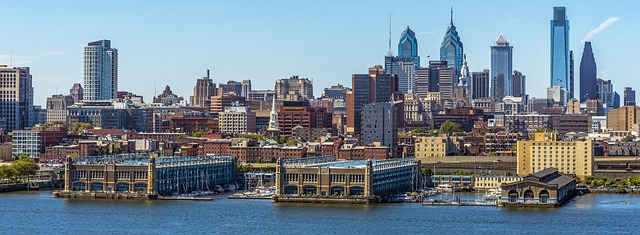
From Chestnut Hill to Fairmount Park, The City of Brotherly Love has a lot to offer the investor. With a deliciously rich history steeped in outstanding food, vintage architecture, music, museums, theater, and more, Philadelphia also offers outdoor attractions and a proximity to plenty of attractive destinations along the east coast. So, why look to Philly for your next investment opportunity, and where should you look to yield the highest returns? Let’s take a look at the best neighborhoods to invest in Philly as well as reasons why this special area of the United States deserves investors’ attention.
Key Takeaways
- Philadelphia offers more affordable real estate compared to neighboring metros like New York, Boston, or Washington D.C., making it an accessible entry point for investors.
- The Philadelphia-Camden-Wilmington metro area’s GDP reached approximately $557.6 billion in 2023.
- Nationally, housing’s combined contribution to GDP generally averages 15-18%, though this should be treated as a national benchmark rather than a Philadelphia-specific figure.
- Strong rental demand is supported by over 80 colleges, universities, and technical schools in the metro area, plus major healthcare, education, and technology employers.
- Top investment neighborhoods include Chestnut Hill for affluent tenants, Olde Kensington for appreciation potential, and University City for year-round rental demand.
- Zillow reports the average home value in Philadelphia at around $236,883, while Zillow’s April 2026 Observed Rent Index listed the average monthly rent in Philadelphia at $1,901.
- Investors can choose between direct property ownership or fractional real estate investing platforms like Ark7 for passive income opportunities.
- Historic preservation combined with ongoing infrastructure improvements continues to influence property value appreciation across multiple neighborhoods.
Why Invest in Philadelphia?
With ample up and coming neighborhoods offering tantalizing investment opportunities, from commercial properties to single family homes, the Philadelphia real estate market has historically been resilient in the face of economic downturns (via U.S. News). With a high demand for housing, plenty of area attractions, and a healthy economy, there’s plenty of reasons to believe that investing in Philly is a good idea.
New to passive real estate investing?
Explore Ark7 OpportunitiesHere’s a quick snapshot of why Philadelphia stands out for real estate investors:
- Affordability compared to neighboring metros: Philly remains more accessible than New York, Boston, or Washington D.C.
- Strong rental demand: A large base of students, young professionals, healthcare workers, and long-term renters supports rental demand, even as Philadelphia’s overall population has been relatively flat to down in recent years.
- Diverse property options: From historic rowhomes to modern multi-family units, there’s something for every investment strategy.
- Infrastructure improvements: Ongoing transit and urban development projects continue to influence property values in key neighborhoods.
Attractive Location
Philadelphia is an old city featuring a rich history of art, culture, and dining. Center City, Philadelphia’s downtown core, is known for art, culture, dining, and historic architecture. Nestled at the confluence of the Schuylkill River and the Delaware River, the tree lined streets of Philly have long been attracting renters looking to settle both long-term and short-term. From the bustling riverfronts to Ridley Creek State Park and Valley Forge National Historical Park, outdoor enthusiasts have plenty of options for activities to keep them occupied, not to mention Philly’s proximity to the Atlantic Ocean and New York. The city’s narrow streets beckon tourists to Strawberry Mansion, built in the late 18th century with a long history as a public attraction, just one example of many historic Philadelphia attractions. With centuries-old architecture at every turn, it’s easy to see why Philadelphia attracts tourists year-round.
What Makes Philly’s Location So Special for Investors
The strategic positioning of Philadelphia creates some unique advantages:
- Day-trip accessibility: Renters love that they can easily visit New York City, the Jersey Shore, or the Pocono Mountains on weekends.
- Major transportation hub: Amtrak, SEPTA, and the Philadelphia International Airport make commuting and traveling a breeze.
- Walkable neighborhoods: Many Philly neighborhoods score high on walkability, which is a major draw for renters who prefer car-free living.
Ample Local Amenities
This is not to say Philadelphia is exclusively a realm of old and dusty historical keepsakes. In fact, there are many breweries, restaurants, coffee shops, and modern amenities to enjoy as well. New businesses line Washington Avenue within close proximity to Grays Ferry, public transport, and destinations like museums and eateries. Happily, these attractions are easily accessible and many are within walking distance from one another, and what’s not within strolling distance is just a stone’s throw on public transit, from Port Richmond to southwest Philly.

Strong Economy
With a diverse population of residents attracting young professionals, students, history lovers, sports fans, and more, Philadelphia features a robust economy supported by industries ranging from life sciences to manufacturing. With tourism and education opportunities supplementing an already strong job market, it’s hardly a surprise that Philly offers prime real estate in the greater east coast area. According to FRED Economic Data, the Philadelphia-Camden-Wilmington metro area’s GDP reached approximately $557.6 billion in 2023, continuing a long-term upward trend. The National Association of Home Builders estimates that housing’s combined contribution to U.S. GDP generally averages 15-18%, though this should be treated as a national housing-economy benchmark rather than a Philadelphia-specific figure.
Key Economic Drivers
Philadelphia’s economy continues to be fueled by several major sectors:
- Healthcare and life sciences: Major hospital systems and pharmaceutical companies remain top employers.
- Higher education: With dozens of colleges and universities, the education sector provides steady jobs and a constant stream of student renters.
- Technology startups: Philly’s tech scene has been growing, attracting younger workers who need housing.
- Tourism and hospitality: Historic sites, sports venues, and cultural attractions keep this sector thriving.
High Rentability
Long time residents and prospective Philly home buyers can agree that Philadelphia has a lot to offer both long-term and short-term renters, especially young professionals. As the city continues to evolve, bringing new developments and celebrating historic ones, Philly attracts young families, students, professionals, and older residents alike (via United States Census). With such a strong job market and over 80 colleges, technical schools, and universities in the Philadelphia metro area, demand for rental properties is consistent, and likely to remain that way (from Cause IQ). Other than college campuses, other area attractions include sports stadiums and events, historic landmarks and buildings, outdoor activities, restaurants, and more.
For investors who want to tap into this rental demand without the hassle of managing properties directly, fractional real estate investing offers a way to own shares in professionally managed rental properties. Platforms like Ark7 let you invest in curated rental homes starting as low as $20 per share.

Top 5 Up and Coming Neighborhoods in Philadelphia
Of all the up and coming neighborhoods in Philly, prospective investors will want to look for areas that are easily marketable. Factors that can affect the “attractiveness” of rental properties include affordable housing for the area, abundance of local amenities like restaurants and coffee shops, area safety, public transit, proximity to employment opportunities or college campuses, and more. Fortunately for you, we’ve tapped into five of the best neighborhoods to invest in within coming years, especially as demand for housing remains strong and inventory remains tight in many parts of the market. Below are five developing neighborhoods that smart investors will want to consider when looking for investment properties.
Chestnut Hill
Of all the Philadelphia neighborhoods, perhaps none better than Chestnut Hill so seamlessly combines suburban tranquility with urban accessibility, making it an attractive prospect for investors. Here are some of the top reasons to consider Chestnut Hill:
- Affluent Demographics: The neighborhood boasts a higher average income, indicating strong purchasing power and potential for higher-end businesses.
- Quaint Charm: Historic architecture, boutique shops, and local eateries create a unique atmosphere, drawing in residents and visitors alike.
- Proximity to Nature: Access to Fairmount Park offers residents a lush, recreational escape, enhancing the area’s appeal.
Why Chestnut Hill Works for Long-Term Investors
Chestnut Hill tends to attract tenants who stay put for longer periods, which means less turnover and more consistent rental income. The neighborhood’s excellent schools and safe streets make it particularly appealing to families willing to pay premium rents.
Olde Kensington
As a formerly industrial area undergoing revitalization, Olde Kensington presents lucrative investment possibilities. This neighborhood serves up:
- Creative Hub: The neighborhood’s industrial past has attracted artists and creatives, fostering a vibrant cultural scene and creative economy.
- Gentrification Potential: Ongoing development projects and proximity to established neighborhoods suggest the potential for property value appreciation.
- Connectivity: Access to public transportation and major highways enhances convenience, making the neighborhood more accessible.
Investors should keep an eye on new development permits in the area, as they often signal where property values are headed next.
East Mt. Airy
East Mt. Airy’s diverse community and community-driven initiatives create a strong case for investment. Reasons to consider it as an investment location include:
- Cultural Diversity: A wide range of ethnicities and backgrounds contribute to a rich and diverse neighborhood fabric, which often leads to cultural vibrancy.
- Community Engagement: Residents actively participate in local initiatives, creating a sense of belonging and community cohesiveness that can lead to sustainable growth.
- Improving Infrastructure: Ongoing infrastructure improvements can positively impact property values and overall quality of life, attracting new residents.
The strong sense of community here means residents tend to take pride in their neighborhood, which often translates to well-maintained properties and stable occupancy.
Old City
Old City’s historical significance combined with a thriving arts scene positions it as an enticing investment prospect. Reasons this is an excellent neighborhood for investing in include:
- Tourist Magnet: The presence of iconic landmarks, museums, and historical sites ensures a steady flow of tourism, supporting local businesses.
- Artistic Energy: A hub for galleries and studios, Old City attracts artists and art enthusiasts, fostering a creative community that can spur economic growth.
- Adaptive Reuse Opportunities: Historic buildings can be repurposed for modern living and commercial spaces, presenting unique investment avenues.
For investors interested in short-term rentals, Old City’s tourism appeal makes it worth exploring, though be sure to check local regulations on vacation rentals.
Fairmount / Areas Near Fairmount Park
Investing in the Fairmount neighborhood or areas near Fairmount Park offers the potential to tap into a nature-centric, recreational lifestyle. This area presents:
- Green Oasis: The park provides a vast expanse of green space, making properties in its vicinity highly desirable for those seeking a connection to nature.
- Health and Wellness Focus: The increasing emphasis on well-being drives interest in neighborhoods with easy access to outdoor activities and fitness options.
- Upscale Residences: The allure of living near a major park attracts buyers looking for high-end properties, potentially leading to a premium on real estate value.
Properties near Fairmount Park often command higher rents because tenants are willing to pay for the lifestyle perks that come with living near green space.
Another Philly Neighborhood for Smart Investors: University City
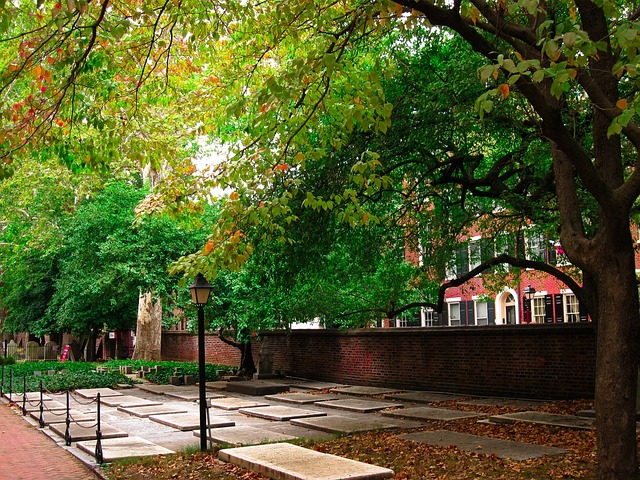
Positioned in a desirable location just west of the Schuylkill River lies University City, a hub for students looking to attend classes at many possible different technical schools, colleges, or universities in the area. Real estate investors can expect consistent rental income from residents looking to lease a room or home during the school year, and perhaps even in the summer months as well, for students looking to attend summer classes.
More than an academic hotspot, University City is also home to a few medical hubs as well, and as such, landlords can expect rental demand throughout the year. Investing in University City might be better for investors looking to live in or near Philadelphia rather than remotely, or may at the least require working with a local property management company, as these high-volume areas can see a lot of turnover just in one academic calendar year.
What Makes University City Stand Out
Here’s what investors should know about this bustling neighborhood:
- Year-round demand: Between students, medical professionals, and researchers, there’s always someone looking for housing.
- Premium rent potential: Proximity to prestigious institutions allows landlords to charge competitive rates.
- Development momentum: Ongoing campus expansions and commercial projects continue to boost the area’s appeal.
If hands-on property management isn’t your thing, consider fractional investing options that let you earn passive income without dealing with tenant turnover yourself.
Rental Rates in Philadelphia
When it comes to pricing rental rates in Philadelphia, there’s more at play than just property values alone. Affordable housing and rental properties rely primarily on basic supply and demand, as well as proximity to local transit, area attractions, and more. From University City to South Street, according to Zillow, the average monthly rent in Philadelphia was $1,901 in April 2026, based on Zillow’s Observed Rent Index.
Considering the average home value is around $236,883 according to Zillow, prospective investors should compare rental income potential, financing costs, taxes, insurance, maintenance, and neighborhood-level appreciation trends before deciding whether a purchase makes sense.
Factors That Influence Rental Rates
Keep these variables in mind when evaluating potential investments:
- Neighborhood walkability: Areas with high walk scores often command higher rents.
- Transit access: Properties near SEPTA stations tend to be more attractive to renters.
- Unit size and condition: Updated kitchens and bathrooms can justify premium pricing.
- Parking availability: In a city where street parking can be tricky, off-street parking is a valuable perk.
Best Philadelphia Neighborhoods for Investors
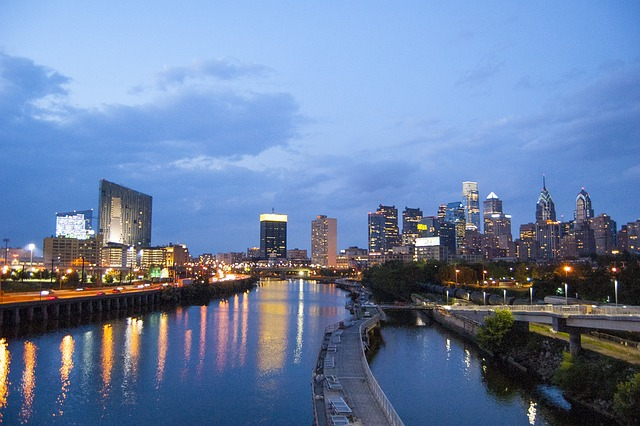
Investors should look at more than just monthly rent and property values, however, when sizing up the Philly real estate market. With many Philadelphia neighborhoods to choose from, ranging from Front Street, to Center City, prospective buyers need not exclusively look for their next investment properties in an up and coming area. Here are some of the popular neighborhoods in Philadelphia to consider purchasing property, broken down into quadrants.
West Philly neighborhoods
Just west of the Schuylkill River lies University City, of course, but there’s a bit more Philly has to offer than this bustling neighborhood. Cathedral Park is another palatable neighborhood for investors, offering both historic charm and modern amenities. Other neighborhoods with a sparse suburban feel include Mill Creek, Carroll Park, and Haddington, though some sources suggest that investors should be cautious about Haddington-Carroll Park.
West Philly Investment Tips
- Look for properties near trolley lines for better rental appeal.
- Check recent crime statistics before committing to a neighborhood.
- Consider multi-family units for diversified rental income.
North Philly neighborhoods
North Philadelphia offers a range of investment considerations, including access to institutions, transit corridors, and neighborhood-level redevelopment. North Philadelphia features Awbury Arboretum nestled in the northwest region of the city, between Oak Lane and Germantown, with Jefferson Einstein Hospital located just north of Feltonville, offering the area both job stability and security. Investors might also consider Lawncrest and Lawndale as viable investment neighborhoods.
These areas are worth watching as development continues to spread outward from Center City, bringing new amenities and rising property values along the way.
East Philadelphia neighborhoods
While Philadelphia stretches far up the banks of the Delaware River on its most northeastern side, investors would be remiss if they did not scope out any opportunities in Port Richmond. One other neighborhood to consider would be Fishtown or Olde Richmond, located right along the banks of the river. For the thorough investor, neighborhoods in Philly reach all the way into Parkwood at the northernmost, with gems like Academy Gardens sprinkled throughout.
Fishtown, in particular, has seen significant appreciation in recent years and remains popular with young professionals and creatives.
South Philly neighborhoods
Looking for a south Philly neighborhood? Point Breeze is a great bet. Elmwood Park and Kingsessing are viable suburban areas to scope out as well, with Eastwick as the furthest south Philly neighborhood before reaching the edge of city limits. For nature lovers, Eastwick also happens to brush up against John Heinz National Wildlife Refuge at Tinicum.
Point Breeze has been on the radar of savvy investors for years now, thanks to its blend of affordability and proximity to more established neighborhoods like Graduate Hospital.
Frequently Asked Questions
What makes Philadelphia a good city for real estate investment?
Philadelphia offers affordability compared to neighboring metros like New York and Boston, strong rental demand supported by over 80 colleges, universities, and technical schools in the metro area, diverse property options from historic rowhomes to modern units, and a robust regional economy. The Philadelphia-Camden-Wilmington metro area’s GDP reached approximately $557.6 billion in 2023, and Philadelphia’s real estate market has historically been resilient during economic downturns.
Which Philadelphia neighborhoods offer the best investment potential?
Top neighborhoods include Chestnut Hill for affluent long-term tenants, Olde Kensington for appreciation potential during revitalization, University City for year-round student and medical professional demand, Old City for tourism-driven rental opportunities, and Fairmount / areas near Fairmount Park for lifestyle-focused premium renters. Each neighborhood offers unique advantages depending on your investment strategy.
What are typical rental rates in Philadelphia?
According to Zillow’s April 2026 Observed Rent Index, the average monthly rent in Philadelphia was $1,901. Rental rates vary by neighborhood, with factors like walkability, transit access, unit condition, and parking availability influencing pricing. Areas near SEPTA stations and with high walk scores typically command higher rents.
What is the average home value in Philadelphia?
The average home value in Philadelphia is around $236,883 according to current Zillow data. This makes Philadelphia more accessible than neighboring metros while still offering solid appreciation potential, especially in up and coming neighborhoods undergoing revitalization and infrastructure improvements.
Can I invest in Philadelphia real estate without managing properties directly?
Yes, fractional real estate investing platforms like Ark7 allow you to invest in professionally managed rental properties starting as low as $20 per share. This approach provides passive income opportunities without the responsibilities of direct property management, tenant turnover, or maintenance issues.
Conclusion
Now that you know a little more about Philadelphia’s rich history, vibrant arts and cultural scene, diverse population, and strong economy, not to mention a competitive housing market with strong demand for housing and rental properties, you will be able to move forward with your investment plans a little more strategically. By focusing on neighborhoods that are seeing an influx of development and renovation while maintaining awareness of area dynamics, you will be able to land a property that yields passive income for the years ahead.
Whether you’re ready to purchase a property outright or prefer to start smaller with fractional real estate investing, Philadelphia offers plenty of opportunities for building wealth through real estate.
Curious about potential next steps to kickstart your investing journey? Browse available listings on Ark7 for unique share-by-share real estate opportunities! For more on investing in Philly, check out our article on the booming Philadelphia real estate market.
Real estate investing involves risk, including potential loss of principal. Past performance does not guarantee future results. Rental income, property values, and occupancy rates can fluctuate based on market conditions, regulatory changes, and economic factors. This article is for informational purposes only and does not constitute investment advice.