

New Hampshire’s unique charm as a place to live is a reflection of its stunning natural beauty and a distinct blend of cultural, economic, and lifestyle offerings. With its serene rural landscapes, pristine lakes, and majestic mountains, residents in the Granite State enjoy a rich outdoor lifestyle, offering year-round recreational opportunities such as hiking, skiing, and water sports. Furthermore, New Hampshire’s strong sense of community and its New England heritage create an atmosphere of neighborly warmth and historical significance. The state’s commitment to a low-tax environment, along with proximity to major cities, makes it an appealing choice for families, entrepreneurs, and those seeking a high quality of life. Whether it’s the allure of a small-town feel, proximity to bustling cities, or the natural wonders that surround it, New Hampshire’s unique blend of qualities truly sets it apart as a distinctive and desirable place to invest in real estate.
In recent years, the state has continued to attract new residents. From July 2023 to July 2024, New Hampshire gained about 6,800 residents overall, with net migration helping offset natural population loss. Much of this growth continues to come from neighboring Massachusetts, where residents are drawn to New Hampshire’s lower taxes and relatively more affordable living. This steady inflow of people keeps housing demand strong and supports property values across the state.
Key Takeaways
- New Hampshire’s median single-family home price reached a record $535,000 in 2025, with limited inventory of roughly 2 to 3 months of supply continuing to drive competitive conditions.
- The state’s median household income of about $99,000 and a low unemployment rate of 3.0% as of May 2026 create a stable foundation for rental demand and property appreciation.
- Vacation rental markets in towns like Jackson show strong short-term rental potential, with recent market data showing annual revenue above $50,000, while long-term rental demand remains strong in cities like Portsmouth, Nashua, and Manchester.
- The Manchester-Nashua metro was ranked the No. 1 market in the Summer 2025 Wall Street Journal/Realtor.com Housing Market Ranking.
- Natural amenities, proximity to Boston, prestigious universities like Dartmouth, and no state income or sales tax make New Hampshire attractive to both residents and real estate investors.
- Premium markets like Portsmouth and Bedford offer stability, while more affordable markets in northern and inland communities provide entry points.
- Fractional real estate platforms make it possible to invest in rental properties starting at $20 per share, providing access to premium markets without large capital requirements.
New to passive real estate investing?
Explore Ark7 OpportunitiesWhy New Hampshire May Hold Your Next Investment Property
When it comes to real estate investment, the choice of location is paramount. Investors seek places with potential for appreciation and a stable economic environment. One such hidden gem for real estate investment is the picturesque state of New Hampshire. With its increasing median home value, robust economy, natural beauty, strategic location, and the presence of prestigious universities contributing to job growth, New Hampshire is emerging as an attractive destination for property investment.
Increasing Median Home Value
One of the key factors that make New Hampshire a promising destination for real estate investment is its increasing median home value. In recent years, property values in the state have shown consistent growth, making it an ideal place for investors looking for appreciation potential. The state’s economic stability and limited supply of available land contribute to this upward trend in property values. Investing in New Hampshire can be a wise move to capitalize on this positive trajectory.
The New Hampshire housing market has seen significant price growth, with the statewide median single-family home price reaching a record $535,000 in 2025. Here’s what’s driving that growth:
- Limited inventory: Roughly 2 to 3 months of housing supply is available, well below the 5-to-7-month range New Hampshire REALTORS describes as a balanced market.
- Strong demand: Many homes continue to sell quickly, especially in southern New Hampshire and commuter-friendly communities.
- Long-term appreciation: Over the past decade, New Hampshire has averaged about 8.5% annual appreciation, though growth has moderated to around 3-4% more recently.
Strong Economy
New Hampshire boasts a strong and diverse economy, making it an appealing choice for real estate investors. The state’s low unemployment rate and high median income levels provide a solid foundation for housing market stability. Additionally, New Hampshire is known for its business-friendly environment, which has attracted various companies and industries to the state, further bolstering the local economy. With a strong economy, you can expect consistent rental demand and a reliable stream of potential buyers for your investment property.
The numbers back this up. The median household income in New Hampshire was about $99,000 in 2024 dollars, significantly higher than the national average. And with unemployment at 3.0% as of May 2026, residents continue to benefit from a relatively stable job market and reliable income to pay rent.
Natural Beauty
Beyond economic factors, New Hampshire’s natural beauty adds to its allure as an investment destination. The state is famous for its stunning landscapes, featuring the White Mountains, Lakes Region, and a picturesque coastline. The availability of recreational activities, outdoor adventures, and a high quality of life makes New Hampshire an attractive place for individuals seeking to move or invest in a second home. Properties in areas with beautiful natural surroundings often carry a higher premium and have strong long-term investment potential.
This natural appeal also fuels a thriving vacation rental market. Towns like Jackson in the White Mountains show strong short-term rental potential, with recent market data showing annual revenue above $50,000, average daily rates above $400, and occupancy above 40%. Lakes Region properties in areas like Meredith also command strong average daily rates during peak travel seasons.
Location
New Hampshire’s strategic location is another compelling reason to consider it for your next investment property. Nestled in the heart of New England, the state is within a few hours’ drive of major cities like Boston, Providence, and Portland. This proximity to major urban centers makes New Hampshire an ideal place for commuters and those seeking a suburban or rural lifestyle while maintaining access to job opportunities and cultural amenities in nearby metropolitan areas. The state’s central location is a key selling point for real estate investors, as it ensures a broad pool of potential tenants and buyers.
The southern corridor, including Manchester and Nashua, sees especially strong demand from Massachusetts commuters who want lower taxes and more space without giving up access to Boston’s job market.
Universities and Job Growth

New Hampshire is home to several prestigious universities, such as Dartmouth College, the University of New Hampshire, and Southern New Hampshire University. These educational institutions not only attract students but also contribute significantly to the state’s job growth. As students graduate and seek employment, they add to the demand for rental properties. Additionally, the presence of these institutions often fosters innovation and entrepreneurship, leading to the creation of job opportunities in various industries. Investing in properties near universities can be a lucrative endeavor due to the consistent demand for student housing.
Hanover, home to Dartmouth College, has seen strong demand in Grafton County. The academic anchor creates steady rental demand from students, faculty, and medical center employees year after year.
New Hampshire Housing Market Overview and Projections
The housing market in New Hampshire, known for its picturesque landscapes and vibrant communities, has experienced significant changes in recent years. As we look forward, it’s essential to examine the current state of the market in order to make informed investment decisions.
Current State of the New Hampshire Housing Market
Before delving into future projections, let’s take a closer look at the current state of the New Hampshire housing market.
Strong Demand for Housing
New Hampshire has seen a steady demand for housing, driven by factors such as a robust job market and its proximity to Boston, Massachusetts. Many residents from neighboring states, including Massachusetts, have chosen to relocate to New Hampshire to enjoy its natural beauty, lower taxes, and quality of life. This has led to increased demand for homes, both for purchase and rental, driving up property values.
Recent years have seen strong sales activity, with homes typically going under contract quickly in many competitive markets.
Rising Home Prices
The increased demand for homes in New Hampshire has resulted in rising home prices. The median home price in the state has climbed steadily, making it a seller’s market. While this can be a challenge for buyers, it presents an opportunity for homeowners to build equity and see their property values appreciate.
Here’s how prices vary across the state:
- Statewide median single-family home price: $535,000 in 2025
- Rockingham County and the Seacoast: among the highest-priced areas in the state
- Coos County and North Country communities: among the most affordable areas
- Manchester: a competitive southern New Hampshire market with strong buyer demand
- Portsmouth: a premium coastal market with limited inventory and high prices
Low Inventory
One of the notable characteristics of the current New Hampshire housing market is low inventory. There are fewer homes available for sale compared to the number of prospective buyers. This situation has led to competitive bidding, multiple offers, and faster sales, especially in desirable areas.
With roughly 2 to 3 months of supply statewide, inventory remains well below the range that indicates a balanced market. Manchester and Nashua remain especially competitive because of their size, job access, and proximity to Massachusetts.
Impact of the COVID-19 Pandemic
The COVID-19 pandemic, which began in early 2020, had a profound impact on the housing market in New Hampshire, as it did nationwide. As people sought more space and a change in lifestyle due to remote work options, many decided to move away from densely populated urban areas to more rural and suburban settings. This trend led to increased demand for New Hampshire properties, especially in regions like the Lakes Region, the White Mountains, and the seacoast.
Those pandemic-era shifts have largely become permanent. Remote work continues to be common in many industries, and migration from Massachusetts remains an important driver of demand. Carroll County, which includes popular vacation destinations, has been one of the state’s fastest-growing counties since 2020.
Market Projections and Trends
Now, let’s turn our attention to what we can expect from the New Hampshire housing market going forward.
Continued Demand
The demand for housing in New Hampshire is expected to continue. The state’s strong job market, quality of life, and relatively lower tax burden will likely attract individuals and families from surrounding states. This continued demand will keep the housing market competitive and favor sellers.
Gradual Inventory Increase
While the low inventory situation is challenging for buyers, efforts are being made to address it. As the demand for housing remains high, more homeowners may choose to list their properties in anticipation of favorable selling conditions. This trend could help stabilize the market somewhat and provide buyers with more options.
New Hampshire enacted several housing-related zoning reforms in 2025, including changes to accessory dwelling unit rules and a law allowing multifamily housing in commercial zones where certain local conditions are met. These changes may encourage more housing construction over time.
Moderate Price Growth
Although home prices have been rising steadily in recent years, the rate of growth has moderated. While prices are likely to continue appreciating, it may occur at a slower pace, offering some relief to potential buyers.
Appreciation has slowed from double-digit gains during the pandemic years to the 3-4% range more recently. This more sustainable growth pattern creates a healthier long-term investment environment.
Impact of Interest Rates
Interest rates play a significant role in the housing market, affecting both buyers and sellers. The Federal Reserve’s monetary policy decisions will impact mortgage rates. If interest rates ease or remain stable, it could make homeownership more accessible and potentially stimulate demand.
New Construction and Development
New Hampshire has seen an increase in new construction and development projects, including residential communities and commercial properties. These developments may help increase housing supply and provide opportunities for prospective buyers. Communities in the southern part of the state, such as Nashua and Manchester, continue to see substantial growth.
However, new construction often comes at a premium. For many investors, existing homes may offer better value and cash flow potential.
Vacation and Second Home Markets
New Hampshire’s scenic beauty and recreational opportunities continue to attract tourists and second-home buyers. Vacation destinations like the Lakes Region and the White Mountains remain popular for those looking to invest in second homes and rental properties.
The vacation rental market shows strong potential. Towns like Jackson, Conway, Meredith, and Bartlett continue to attract travelers looking for access to skiing, hiking, lakes, and mountain recreation.
Top Investment Opportunities in New Hampshire’s Real Estate Market

New Hampshire, with its stunning landscapes, thriving economy, and diverse housing market, offers a wealth of investment opportunities for real estate enthusiasts. Whether you’re seeking short-term gains or long-term appreciation, there’s a niche for every investor. Here are the best investment opportunities in New Hampshire:
Short Term Rentals
With its natural beauty, tourism in New Hampshire is thriving. This makes short-term rentals an attractive investment option. Airbnb and other vacation rental platforms have gained popularity in the state, allowing property owners to capitalize on the growing number of tourists visiting the Lakes Region, White Mountains, and the seacoast. Short-term rentals can generate substantial income during peak tourist seasons, giving investors the flexibility to use their properties during the off-season or simply enjoy higher rental rates.
The top performing vacation rental markets include:
- Jackson: strong annual revenue potential, average daily rates above $400, and occupancy above 40%
- Conway: strong visitor demand tied to North Conway, skiing, outlet shopping, hiking, and White Mountain tourism
- Meredith: high average daily rates supported by Lakes Region demand
- Bartlett: proven short-term rental demand due to its White Mountains location and proximity to ski resorts
Short-term rental rules vary by municipality and can change quickly, so investors should verify local zoning, licensing, occupancy, tax, and HOA rules before buying.
Long Term Rental Properties
Long-term rental properties have traditionally been a stable and reliable investment in New Hampshire. The state’s strong economy and low unemployment rate contribute to a steady demand for rental housing. Whether you’re interested in single-family homes, multi-family units, or apartments, there is a consistent pool of potential tenants. With the state’s reputation for a high quality of life, investing in long-term rental properties can provide a reliable stream of rental income and the potential for long-term appreciation.
Rental costs across the state remain elevated. New Hampshire Housing’s 2024 Residential Rental Cost Survey found statewide median gross rent of $1,833 for 2-bedroom units and $1,691 across all rental units, including utilities. Listing-site averages may run higher in high-demand markets like Portsmouth, Nashua, and Manchester.
With many New Hampshire renters spending more than 30% of their income on housing, rental demand remains strong and landlords with quality properties can maintain high occupancy rates.
Flipping Historic Homes
New Hampshire is rich in history, and many historic homes can be found throughout the state. Investing in the renovation and restoration of historic properties can be a rewarding venture. Flipping these homes allows you to tap into the unique charm and character that attracts both buyers and tourists. These properties often appreciate well if restored sympathetically, and you can enjoy a significant profit margin by turning these historic gems into modern living spaces while preserving their historical integrity.
Fractional Real Estate
Fractional real estate ownership is gaining traction in New Hampshire, especially in desirable resort areas. Fractional ownership allows multiple investors to share the cost and usage of a property, making high-end properties more accessible. This is particularly appealing in the Lakes Region and the White Mountains, where people seek second homes for recreational purposes. Fractional real estate provides a cost-effective way for investors to enter the luxury market and benefit from rental income potential without shouldering the entire cost of ownership.
This approach is especially valuable in New Hampshire’s premium markets where entry costs can be significant:
- Portsmouth: premium coastal market with high home prices
- Hanover: high-demand college-town market near Dartmouth College
- Bedford: one of the state’s more expensive suburban communities
Platforms like Ark7 let you invest in rental properties starting at just $20 per share, making it possible to access real estate markets without needing hundreds of thousands in upfront capital.
The Top 10 New Hampshire Real Estate Markets
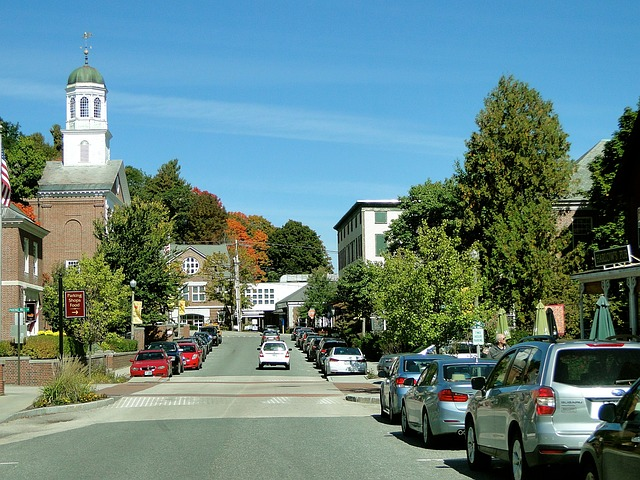
New Hampshire, often called the “Granite State,” offers a diverse and dynamic real estate market with numerous opportunities for investors and homebuyers alike. From serene rural settings to bustling urban hubs, the state has something to offer everyone. Here are the top ten best places to invest in NH.
1. Bartlett, NH
Nestled in the heart of the White Mountains, Bartlett is a haven for outdoor enthusiasts and nature lovers. The real estate market in Bartlett thrives on its proximity to ski resorts, hiking trails, and the stunning scenery of the White Mountains. This makes it an excellent choice for those seeking second homes or rental properties catering to tourists and vacationers.
Bartlett offers proven short-term rental potential due to its location near major White Mountains attractions. Property taxes are also comparatively attractive in some local districts, though investors should always confirm the current municipal tax rate before purchasing.
2. New Ipswich, NH
New Ipswich is a charming town that boasts beautiful landscapes and a rich history. The real estate market here offers a peaceful, rural lifestyle while remaining within commuting distance of larger cities like Nashua and Manchester. The affordability of homes in New Ipswich attracts both families and retirees.
3. Bedford, NH
Bedford, situated just outside Manchester, is known for its affluent neighborhoods and strong sense of community. It offers a mix of luxury properties, high-end amenities, and excellent schools. Bedford’s real estate market is perfect for those looking to settle down in an upscale suburban environment.
Bedford represents the premium end of the New Hampshire market. The trade-off is stability and wealth preservation in one of the state’s most desirable communities.
4. Portsmouth, NH
Portsmouth, a historic seaport city, is renowned for its vibrant arts scene, cultural festivals, and historic charm. The real estate market in Portsmouth is in high demand due to its seaside location, attracting a mix of buyers looking for beautiful waterfront properties and thriving businesses.
Key metrics for Portsmouth:
- Median home price: premium coastal pricing compared with the statewide median
- Average rent: among the highest long-term rental markets in the state
- Appreciation: strong long-term growth supported by limited coastal supply
- Limited inventory: persistent supply constraints in desirable neighborhoods
5. Londonderry, NH
Londonderry, located in southern New Hampshire, is a growing suburban town with a strong economy. The real estate market here offers a wide range of housing options, including new developments, making it an attractive choice for families and young professionals.
6. Hanover, NH
Home to Dartmouth College, Hanover is a college town with a strong sense of community and a stable real estate market. The presence of the prestigious college drives the demand for housing and provides investment opportunities for rental properties catering to students and faculty.
Grafton County, where Hanover is located, has seen strong demand. The academic anchor and Dartmouth Hitchcock Medical Center create year-round rental demand.
7. Manchester, NH
As the largest city in New Hampshire, Manchester boasts a diverse real estate market. The city offers a mix of historic and modern properties, making it suitable for both investors and homeowners. The city’s robust economy and cultural attractions further contribute to its popularity.
The Manchester-Nashua metro was ranked No. 1 in the Summer 2025 Wall Street Journal/Realtor.com Housing Market Ranking. Key investment metrics:
- Median home price: competitive relative to nearby Boston-area markets
- Average rent: strong long-term rental demand
- Market pace: homes often move quickly in desirable price ranges
- Buyer demand: properties under $500,000 can be especially competitive
8. Exeter, NH
Exeter, a historic town with a vibrant downtown and excellent schools, is a sought-after location for homebuyers. The real estate market in Exeter features a blend of historical homes and newer developments, catering to various preferences and budgets.
9. Farmington, NH
Farmington, located in the Seacoast region, offers a more affordable option for homeowners while maintaining access to the coast. Its real estate market is an excellent choice for budget-conscious buyers looking for a friendly, small-town atmosphere.
10. Nashua, NH
Nashua, New Hampshire’s second-largest city, boasts a thriving real estate market due to its strong job market, diverse neighborhoods, and proximity to the Massachusetts border. Nashua’s real estate market appeals to a wide range of buyers, from young professionals to families.
Investment highlights for Nashua:
- Median home price: competitive southern New Hampshire pricing
- Average rent: strong long-term rental demand
- Appreciation: supported by proximity to Massachusetts and regional job centers
- Market pace: homes in desirable price ranges often move quickly
Properties under $500,000 see especially strong demand here, often attracting multiple offers.
Essential Real Estate Investment Terms

Real estate investment comes with its own set of terminology that can be overwhelming for newcomers. To navigate the real estate market successfully, understanding key concepts is crucial. Here are essential terms that all real estate investors should know:
- Appreciation: The increase in property value over time due to market conditions, renovations, or neighborhood improvements. Appreciation is a primary way real estate investors build wealth.
- Cash Flow: The net income generated by an investment property after deducting all expenses, including mortgage payments, property management fees, and maintenance costs. Positive cash flow means the property generates more income than it costs to operate.
- Cap Rate (Capitalization Rate): A crucial metric used to assess the potential profitability of a real estate investment. It’s calculated by dividing the property’s net operating income (NOI) by its current market value.
- Property Management: The day-to-day operations of an investment property, including tasks like maintenance, rent collection, tenant screening, and responding to tenant inquiries.
- ROI (Return on Investment): A critical metric for evaluating the profitability of an investment property. It is calculated by dividing the gain or loss from the investment by the initial cost or investment amount.
- 1031 Exchange: A tax-deferred transaction that allows real estate investors to sell one property and reinvest the proceeds into another similar property without incurring immediate capital gains taxes.
- Exit Strategy: A plan that outlines how an investor intends to sell or dispose of an investment property. Having a clear exit strategy is essential for managing investments effectively.
Being well-versed in these essential real estate investment terms provides a solid foundation for your real estate ventures. Whether you’re analyzing properties, negotiating deals, or managing your investments, understanding these concepts will help you make informed decisions and maximize your chances of success.
In a Nutshell: Best Real Estate Markets in New Hampshire
Whether you opt for property in the mountainous hills of Bartlett or coastal Portsmouth, New Hampshire has something to offer every investor. As with all types of investing, it is important to understand key concepts, market factors, and local influences in order to properly mitigate risk. One simple way to minimize risk while maximizing ROI is the modern approach to real estate investing: share-by-share, also called fractional, real estate. Look for a reputable share-by-share real estate platform like Ark7 for all your investing needs and experience the peace of mind that comes with investing alongside others to help shoulder the risk.
Here’s a quick look at what different NH markets offer:
- Best for appreciation: high-demand southern New Hampshire and select inland markets
- Best for vacation rentals: Jackson, Conway, Meredith, Bartlett
- Best for long-term stability: Manchester, Nashua, Portsmouth
- Most affordable entry points: northern and inland communities
- Premium markets: Bedford, Hanover, Portsmouth
With property taxes varying widely across the state by municipality and tax year, it pays to factor in carrying costs when choosing your investment location.
Not sold on New Hampshire? Try these other east coast gems:
- Best Places to Invest in Connecticut
- Best Places in Massachusetts
- Best Places in New York
- Best Places in New Jersey
Frequently Asked Questions
What makes New Hampshire attractive for real estate investment?
New Hampshire offers a combination of strong economic fundamentals, including a median household income of about $99,000, a low unemployment rate of 3.0% as of May 2026, and no state income or sales tax. The state’s limited housing inventory, combined with steady migration from Massachusetts, creates consistent demand and supports property values.
What are the best cities to invest in New Hampshire real estate?
Manchester, Portsmouth, and Nashua are top choices for long-term rentals and appreciation, with the Manchester-Nashua metro ranked No. 1 in the Summer 2025 Wall Street Journal/Realtor.com Housing Market Ranking. For vacation rentals, Jackson, Conway, Meredith, and Bartlett offer strong potential. More affordable entry points include communities in northern and inland parts of the state.
How much does it cost to invest in New Hampshire real estate?
Property prices vary widely across the state. The statewide median single-family home price reached $535,000 in 2025, but northern and rural markets can offer more affordable entry points. Premium markets like Portsmouth, Bedford, and Hanover command higher prices. Fractional real estate platforms like Ark7 allow you to start investing with as little as $20 per share.
What are the average rental rates in New Hampshire?
Long-term rental rates vary by location. New Hampshire Housing’s 2024 Residential Rental Cost Survey found statewide median gross rent of $1,833 for 2-bedroom units and $1,691 across all rental units, including utilities. High-demand cities like Portsmouth, Nashua, and Manchester may show higher listing-site averages. Vacation rentals can generate significantly higher revenue in popular travel markets, but performance depends on property type, location, seasonality, regulations, and occupancy.
What appreciation rates can I expect in New Hampshire?
Over the past decade, New Hampshire has averaged about 8.5% annual appreciation, though growth has moderated to around 3-4% more recently. This more sustainable growth pattern creates a healthier long-term investment environment compared to the double-digit pandemic-era gains.
Real estate investing involves risk, including potential loss of principal. Past performance does not guarantee future results. Rental income, property values, and occupancy rates can fluctuate based on market conditions, regulatory changes, and economic factors. This article is for informational purposes only and does not constitute investment advice.