

West Virginia’s natural beauty and a steady economy make it a compelling choice for expanding your investment portfolio. The state’s stunning landscapes, from the rolling Appalachian Mountains to picturesque rivers and forests, offer a unique blend of outdoor recreational opportunities and a tranquil lifestyle that attracts both residents and visitors. This natural beauty, combined with the state’s economic diversification efforts, fosters a favorable environment for real estate investment. West Virginia’s economy, with key sectors like energy production, manufacturing, healthcare, and education, provides stability and opportunities for growth. The state’s commitment to fostering a diverse business environment creates potential for a range of real estate investments, from residential properties to commercial ventures, making it a smart choice for those looking to expand their portfolio while enjoying the serenity of its natural surroundings.
What makes 2026 particularly interesting for West Virginia investors is the state’s affordability advantage. Depending on the source and metric, West Virginia remains highly affordable: Zillow reports an average home value of about $178,700, while Redfin reports a May 2026 median sale price of about $266,600. Census data show a 2020 to 2024 median owner-occupied home value of $162,600. West Virginia consistently ranks among the most affordable states by housing and cost-of-living measures, though exact rank varies by methodology. Inventory has improved year over year, but conditions vary significantly by market.
Key Takeaways
- West Virginia remains highly affordable, with Zillow reporting an average home value of about $178,700 and Redfin a May 2026 median sale price near $266,600, depending on the metric used.
- The state’s diversified economy includes energy production, manufacturing, healthcare, education, and growing tourism sectors, providing stability for real estate investors.
- Top investment markets include university towns like Morgantown, Eastern Panhandle cities benefiting from DC commuter demand, and tourism corridors near New River Gorge National Park and Preserve.
- Gross rental yields of roughly 6% to 8% are achievable in top markets, before expenses such as vacancy, taxes, insurance, maintenance, and management, with short-term rentals in tourism hotspots generating notable monthly revenues.
- Tax Foundation reports West Virginia’s effective property tax rate at 0.51% for 2024, placing it among the lower-tax states for owner-occupied housing.
- Fractional real estate platforms allow investors to start with as little as $20 per share, enabling portfolio diversification across multiple West Virginia properties without full property management responsibilities.
New to passive real estate investing?
Explore Ark7 OpportunitiesWest Virginia’s Economy: An Overview
Nestled in the heart of Appalachia, West Virginia boasts a rich history and a unique economic landscape. While the state has faced its share of challenges over the years, it also possesses a range of economic drivers that have shaped its development. Here are some of the primary pillars of the economy in West Virginia.
- Energy Production: One of the most significant economic drivers in West Virginia has historically been its energy production. Coal mining, in particular, has long been a cornerstone of the state’s economy. Coal remains dominant in West Virginia’s power sector, accounting for about 87% of electricity generation in 2025, while renewables, mainly wind and hydro, were about 7%, and natural gas was about 6%. The state continues to explore ways to diversify its energy sector over time.
- Natural Resources: Beyond coal, West Virginia is rich in natural resources. The state’s forests, fertile soil, and mineral deposits have played a pivotal role in its economy. The timber industry, for instance, has benefited from the state’s extensive hardwood forests. West Virginia’s agricultural sector also contributes to the economy, with a focus on crops like corn, soybeans, and apples.
- Manufacturing: Manufacturing has been a consistent driver of West Virginia’s economy. The state’s strategic location in the Eastern United States, coupled with its transportation infrastructure, makes it an appealing location for manufacturing operations. Industries like chemicals, machinery, and aerospace manufacturing have all found a home in West Virginia. The state’s focus on workforce development and business-friendly policies has attracted companies seeking a competitive advantage.
- Tourism: West Virginia’s natural landscapes, including the Appalachian Mountains and the New River Gorge, draw visitors from near and far. The state’s outdoor recreational opportunities, from hiking and whitewater rafting to skiing and rock climbing, are a significant economic driver. Tourism-related businesses such as hotels, restaurants, and adventure outfitters have benefited from this influx of visitors. The New River Gorge was redesignated as New River Gorge National Park and Preserve in December 2020, and visitation reached a record 1.81 million in 2024, boosting short-term rental demand in surrounding areas like Fayetteville.
- Healthcare and Education: The healthcare and education sectors play a vital role in West Virginia’s economy. The state is home to several major medical centers and universities, serving its residents and drawing in students and patients from neighboring regions. West Virginia University remains a major demand driver in Morgantown, creating consistent rental demand, with current enrollment available through the latest WVU enrollment dashboard.
- Small Businesses: West Virginia’s economy is dotted with small businesses that contribute to its vibrancy. Local entrepreneurs operate restaurants, retail stores, tech startups, and a variety of other enterprises. These small businesses form the backbone of the state’s economy, fostering community development and economic resilience.
- Government and Public Services: Government employment is another economic driver in West Virginia. The state is home to various federal, state, and local government agencies, providing stable employment opportunities that support the livelihoods of many West Virginians.
- Infrastructure and Transportation: West Virginia’s infrastructure plays a pivotal role in its economic well-being. The state’s network of highways, railroads, and rivers facilitates the movement of goods and people. The transportation system, along with its logistics hubs, enhances West Virginia’s appeal to businesses looking to establish distribution centers or expand their operations.
What This Means for Investors in 2026
For real estate investors, these economic pillars translate into tangible opportunities:
- University towns like Morgantown offer stable rental demand year-round.
- Tourism hotspots present short-term rental potential with strong returns.
- Healthcare hubs attract reliable, long-term tenants.
- The Eastern Panhandle benefits from DC commuter spillover and job growth.
Understanding these economic drivers helps you pick the right markets for your investment goals.
West Virginia’s Housing Market and Outlook for 2026
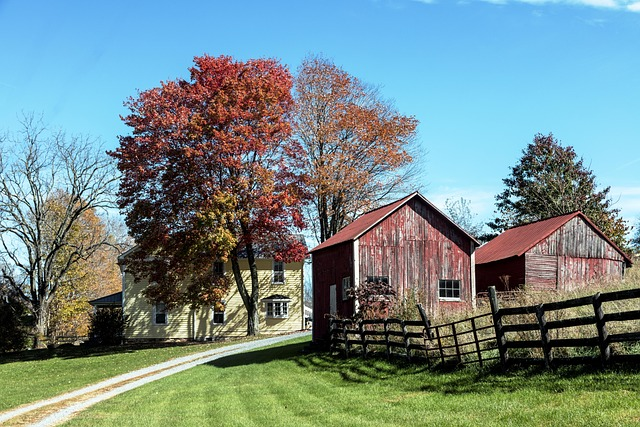
To understand the housing market in West Virginia, one must first assess the current state of affairs. Several key factors influence the housing market, including home prices, supply and demand dynamics, and the overall economic climate.
- Home Prices: West Virginia has traditionally been known for its affordable housing. Recent data show modest year-over-year price growth, with Zillow reporting +2.2% and Redfin reporting +4.5% as of late spring 2026. While home prices in West Virginia remain relatively affordable compared to many other states, they are showing signs of a slow but steady rise.
- Supply and Demand: The housing market is driven by the interplay between supply and demand. West Virginia has experienced a shift toward increased demand in certain areas, fueled in part by the state’s energy sector and commuter corridors. This has put pressure on existing housing supply in some markets. Inventory has improved year over year, creating more balanced conditions in parts of the state.
- Economic Climate: West Virginia’s economy is diverse, with sectors like energy production, manufacturing, healthcare, education, and tourism playing significant roles. A stable economic climate contributes to housing market stability. As the state continues to diversify its economy, there is an expectation of improved conditions over time, which should support the housing market.
2026 Market Snapshot
Here are key indicators investors should know, verified against current public sources:
- Average Home Value (Zillow): about $178,700, up 2.2% year over year
- Median Sale Price (Redfin, May 2026): about $266,600, up 4.5% year over year
- Median Owner-Occupied Value (Census, 2020 to 2024): $162,600
- Property Tax Rate: 0.51% effective for 2024 (Tax Foundation), among the lower-tax states
- Long-Term Rental Yields: roughly 6% to 8% gross in top markets, before expenses
Historical Trends in West Virginia’s Housing Market
To put projections in context, it helps to consider historical trends. Over the past few decades, West Virginia’s housing market has experienced notable shifts, reflecting broader economic and demographic changes.
- Boom and Bust of the Coal Industry: Historically, the coal industry has significantly influenced West Virginia’s housing market. The boom-and-bust nature of coal mining has led to cycles of housing demand. During coal booms, housing demand surged, leading to construction and rising home prices. Recent efforts to diversify the state’s economy aim to reduce the housing market’s dependency on coal-related trends.
- Aging Population and Outmigration: West Virginia, like many other states, has grappled with an aging population and outmigration of some young residents seeking job opportunities elsewhere. An aging population has increased demand for retirement and senior living facilities, while outmigration has sometimes resulted in vacant properties in certain areas. Currently, about 21.9% of West Virginia residents are 65 or older.
- Housing Rehabilitation and Preservation: Efforts to revitalize and preserve historic properties have contributed positively to the housing market. West Virginia’s historical architecture and cultural heritage have prompted initiatives to rehabilitate older homes and encourage property preservation, enhancing housing stock and driving economic activity in related sectors.
Outlook for West Virginia’s Housing Market in 2026
While the future is never entirely certain, informed observations can be made based on current trends and factors likely to influence the market.
- Steady Price Appreciation: Modest home price appreciation appears likely to continue, with rising construction costs and demand in select markets exerting upward pressure. Recent data show year-over-year growth of +2.2% (Zillow) and +4.5% (Redfin) as of late spring 2026, rather than a single statewide forecast.
- Continued Focus on Diversification: West Virginia’s efforts to diversify its economy are likely to support the housing market. As new industries take root, they can create jobs and stimulate housing demand, adding stability and reducing historical reliance on coal cycles.
- Affordability Remains a Strength: While home prices may rise, West Virginia is expected to maintain its reputation for affordability, a meaningful draw for individuals and families seeking a cost-effective alternative to higher-cost states.
- Addressing Aging Housing Stock: One challenge is the aging housing stock, which may require renovation and modernization. Efforts to address this through incentives, private investment, or community initiatives can improve housing quality while creating construction-related jobs.
- Influence of External Factors: The housing market can be influenced by external factors such as federal housing policy, interest rates, and global economic conditions. As of early-to-mid June 2026, average 30-year fixed mortgage rates are roughly 6.5% to 6.6%, depending on lender and data source.
Regional Growth Patterns to Watch
Not all parts of West Virginia are growing at the same pace. Here’s what investors should know:
- Eastern Panhandle (Martinsburg, Charles Town, Ranson): This region continues to benefit from commuter demand, though recent public data for Martinsburg show more moderate annual appreciation, around 3.5% to 3.7%. DC and Baltimore commuters help drive demand.
- University Towns (Morgantown): Stable demand thanks to WVU and the medical center. Zillow reports Morgantown’s average home value at about $281,900, up 2.4% year over year.
- Capital Region (Charleston, Huntington): Slower growth but solid cash flow potential due to lower entry prices.
- Tourism Corridors: Areas near Snowshoe, the New River Gorge, and Berkeley Springs continue to see strong short-term rental performance.
Top 10 Best Real Estate Investment Markets in West Virginia
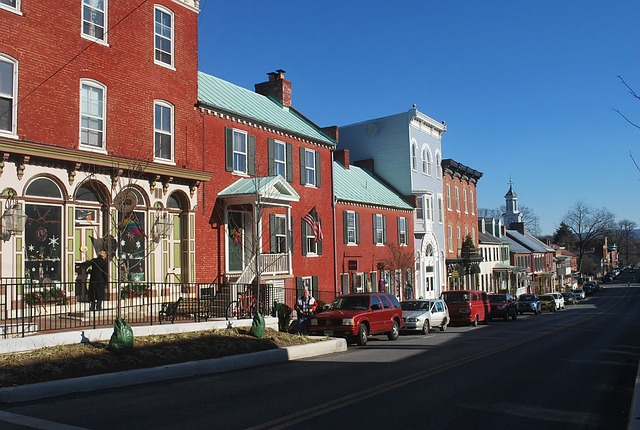
Choosing the right location is crucial for a successful investment. West Virginia, with its diverse landscapes and unique communities, offers several promising real estate markets. Whether you’re a seasoned investor or a first-time buyer, these markets should be on your radar.
1. South Charleston, WV
South Charleston, located along the Kanawha River, offers a blend of urban amenities and natural beauty. It is a hub for employment opportunities and home to the West Virginia Regional Technology Park, a major economic driver. The city’s job market makes it an appealing option for real estate investment.
2. Lost City, WV
For those seeking a more tranquil and rural investment, Lost City is a hidden gem. Nestled in the scenic Potomac Highlands region, Lost City is known for its natural beauty, making it a great destination for second homes or vacation rentals. The area’s serene landscapes and recreational opportunities draw visitors and potential buyers.
3. Huntington, WV
Huntington, located in the western part of the state, has a diverse economy that includes healthcare, education, and manufacturing. The city’s proximity to the Ohio River and its role as a transportation hub make it a strategic location. Huntington remains affordable, with Zillow reporting an average home value of about $136,900, up 4.7% year over year, offering accessible entry points well below the state average.
4. Wheeling, WV
Wheeling, situated along the Ohio River, has a rich history and a growing tourism industry. The city’s historic charm and cultural attractions make it a compelling destination for real estate investment. Its proximity to Pittsburgh opens up a broader tenant pool, and affordable property prices make it appealing for investors seeking solid cash flow.
5. Parkersburg, WV
Parkersburg, nestled by the Ohio River, is another market worth watching. The city benefits from a strong healthcare sector and several colleges and universities, which contribute to the local economy and create demand for rental properties. Parkersburg remains one of the state’s lower-cost markets, but recent price-growth estimates vary by source, so investors should verify current local data.
6. Morgantown, WV
Home to West Virginia University, Morgantown has a strong economy fueled by education, healthcare, and research. The city’s steady influx of students and professionals creates a robust rental market, with opportunities ranging from student housing to residential properties.
Key 2026 metrics for Morgantown:
- Average home value (Zillow): about $281,900, up 2.4% year over year
- Median rent: roughly $1,700 to $2,000 per month for multi-unit
- Gross yield potential: roughly 6% to 8%, before expenses
- Occupancy rates of about 94% to 96%
7. Weirton, WV
Weirton, located in the northern part of the state, has a manufacturing and industrial base. The city’s location near the Pennsylvania border and the Ohio River contributes to its economic stability. Investors can explore opportunities in both residential and commercial properties.
8. Bridgeport, WV
Bridgeport, often recognized for its school system and family-friendly environment, is an appealing market for residential properties. Its proximity to Clarksburg and Morgantown, along with steady job growth, makes it an attractive location for real estate investment.
9. Hurricane, WV
Situated in the southwestern part of the state, Hurricane offers a suburban lifestyle with easy access to Charleston. The city’s strong sense of community and proximity to essential amenities make it an appealing location for residential real estate investment.
10. Martinsburg, WV
Martinsburg, located in the Eastern Panhandle, has become a popular choice for commuters to the Washington, D.C. metropolitan area. The city’s strategic location and lower cost of living attract residents and businesses alike, with a range of residential and commercial opportunities.
2026 Martinsburg highlights:
- Recent public data show appreciation around 3.5% to 3.7% year over year
- Access to the MARC train for DC commuters
- Median rent: roughly $1,700 to $1,900 per month
- Strong tenant quality from professional commuters
Short-Term Rental Hotspots
Beyond traditional long-term rentals, West Virginia offers opportunities in the short-term rental market. According to AirROI’s 2026 dataset, top performers include:
- Berkeley Springs: averaging $3,637 per month in STR revenue with 44.4% occupancy. The thermal spas and DC weekend traffic create year-round demand.
- Snowshoe: about $2,760 per month with a $436 average daily rate and 31.2% occupancy, driven by ski resort visitors.
- Davis and Canaan Valley: four-season appeal with average monthly revenue around $2,615.
- Fayetteville: benefits from New River Gorge National Park and Preserve, with about $2,468 per month and 38.8% occupancy.
These figures are illustrative and vary by season and data range; investors should verify local STR regulations before purchasing.
Where are the Cheapest Real Estate Markets in West Virginia?

Parkersburg, WV
Located along the Ohio River in the northwestern part of the state, Parkersburg offers some of the most affordable real estate options in West Virginia. The city benefits from a stable job market, a strong healthcare sector, and several educational institutions. Affordable housing, a low cost of living, and a friendly community atmosphere make Parkersburg appealing to budget-conscious buyers.
Clarksburg, WV
Clarksburg, situated in the north-central region, is another budget-friendly choice. The city’s economy is diverse, with manufacturing, healthcare, and education playing significant roles. Clarksburg’s low property prices and reasonable living costs provide opportunities for first-time buyers and investors seeking affordable housing.
St. Albans, WV
St. Albans, located in the southwestern part of the state, offers a mix of affordability and a pleasant community environment. Its access to Charleston adds to its appeal, with housing options ranging from single-family homes to apartments at competitive prices.
Fairmont, WV
Fairmont, positioned in the north-central region, has a thriving education sector, with Fairmont State University contributing to the local economy. The city offers a variety of housing options, many of which are affordable for individuals and families seeking to purchase their first home.
Beckley, WV
Beckley, nestled in the southern part of West Virginia, is known for its affordability. The city’s economy revolves around healthcare, manufacturing, and education, providing stability for residents. Beckley’s real estate market features housing choices that fit various budgets.
Why Affordable Markets Matter for Investors
These affordable markets can offer strong cash flow potential. With lower entry prices, investors may achieve gross yields of roughly 6% to 8.5% or higher, before expenses. Charleston, for example, offers relatively low median home prices with rents that support solid gross yield potential.
Lower price points also mean:
- Smaller down payments required
- Less capital at risk per property
- Easier diversification across multiple properties
- Potential for better cash-on-cash returns
The Most Expensive Cities in West Virginia
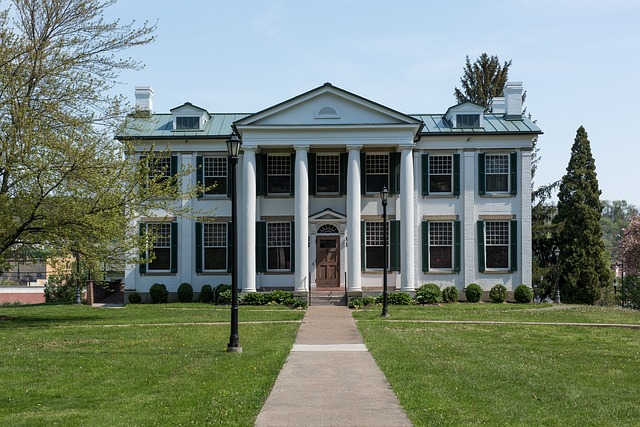
Charles Town, WV
Charles Town, located in the Eastern Panhandle, is one of West Virginia’s more expensive real estate markets. Its proximity to the Washington, D.C. metropolitan area has increased demand for homes. The city’s historic charm, combined with a convenient commute to the capital, makes it desirable but pricier, with appreciation and tenant quality often justifying the premium for long-term investors.
Shannondale, WV
Shannondale, situated near Charles Town in the Eastern Panhandle, is another upscale market. The community’s scenic beauty and exclusivity contribute to higher property values. Shannondale is known for larger homes, often with generous acreage and views.
Martinsburg, WV
Martinsburg, the largest city in the Eastern Panhandle, is a sought-after location for those commuting to Washington, D.C. and other major cities in the region. Demand for housing, particularly from professionals seeking an alternative to crowded urban centers, has supported property prices.
Inwood, WV
Inwood, also in the Eastern Panhandle, has a growing real estate market. The area’s suburban appeal, access to commuter routes, and expanding job opportunities have made it an attractive but relatively expensive choice for buyers.
Cheat Lake, WV
Cheat Lake, located near Morgantown in north-central West Virginia, is known for its lakefront properties. Waterfront real estate often commands a premium, and Cheat Lake is no exception. The surroundings and recreational opportunities make this a desirable, albeit costly, market.
The Investment Case for Higher-Priced Markets
While these markets require more capital upfront, they can offer:
- Stronger appreciation potential
- Higher-income tenants with better payment histories
- Lower vacancy rates
- A professional tenant base
For investors looking at fractional real estate investing, these higher-priced markets become more accessible since you can buy shares in properties rather than purchasing an entire home.
West Virginia Median Household Income
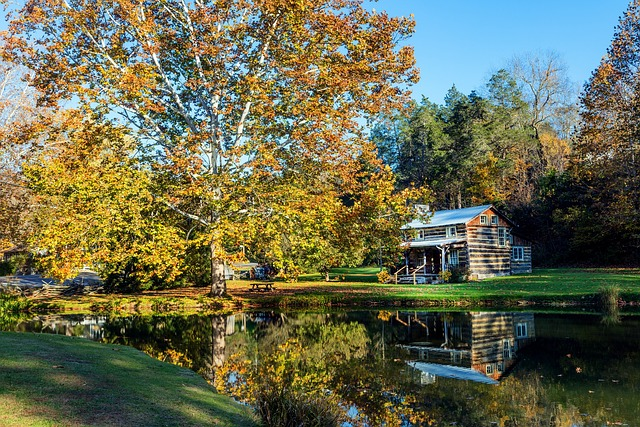
West Virginia Median Household Income
According to the most recent U.S. Census Bureau data (2020 to 2024), West Virginia’s median household income is $59,608. This is one reason West Virginia offers affordable real estate investing options. With a relatively lower median household income compared to many other states, investors can enter the market at a more accessible price point, providing options that align with a broader wealth-building strategy.
What does this mean for investors? Consider these points:
- Rental rates align with local incomes. Understanding median income helps you set realistic rent expectations.
- Affordability attracts tenants. People priced out of higher-cost states often find West Virginia appealing.
- Lower incomes mean tenant screening is important. A thorough screening process helps protect your investment.
West Virginia’s housing affordability supports consistent rental demand.
Conclusion
If you’re looking for an affordable place to invest in real estate along the East Coast, West Virginia offers lower prices without sacrificing natural beauty, economic opportunity, or location. While the state is not ideal for every portfolio, investors who do their due diligence and read market trends carefully can find worthwhile opportunities.
Why West Virginia Stands Out for Real Estate Investment
West Virginia combines affordability with several investable submarkets, supported by fundamentals that appeal to a range of strategies:
- Among the most affordable states by housing and cost-of-living measures, with low effective property taxes at 0.51% for 2024.
- University demand in Morgantown, commuter demand in the Eastern Panhandle, and tourism demand near New River Gorge National Park and Preserve.
- Gross rental yields of roughly 6% to 8% achievable in top markets, before expenses.
- Record tourism, with 1.81 million visitors to New River Gorge in 2024, supporting short-term rental corridors.
Investor Tips for Engaging with the WV Market
Success in West Virginia rests on matching the market to your strategy and verifying figures at the property level. Confirm current pricing and appreciation by city and source rather than assuming a single statewide trend, since metrics differ meaningfully between Zillow, Redfin, and Census data. Treat all yield figures as gross estimates before vacancy, taxes, insurance, maintenance, and management costs, and review local short-term rental regulations before underwriting tourism properties. Pair affordable entry points with disciplined tenant screening to protect cash flow.
For those who want to start building a real estate portfolio without the barriers of traditional property ownership, Ark7’s platform lets you buy shares in rental properties starting as low as $20 per share. Ark7 reports 300K+ active investors, $30MM+ in property value funded, and $4MM+ in cash dividends paid as of May 2026.
Benefits of fractional investing in West Virginia:
- Lower capital requirements to get started
- Diversification across different WV markets
- Professional property management included
- Monthly cash distributions from rental income when applicable
Frequently Asked Questions
Is West Virginia a good state for real estate investment in 2026?
Yes, West Virginia offers strong opportunities for real estate investors in 2026, particularly due to its affordability, with an average home value near $178,700 (Zillow) and a May 2026 median sale price around $266,600 (Redfin). The state features diverse markets from university towns with stable rental demand to tourism hotspots with strong short-term rental performance. With an effective property tax rate of 0.51% for 2024 and gross rental yields of roughly 6% to 8% in top markets before expenses, investors can pursue solid cash flow while building long-term wealth.
What are the best cities in West Virginia for rental property investment?
Top rental markets include Morgantown for stable student and professional demand, Martinsburg for DC commuters seeking affordability, Huntington for low entry prices, and Parkersburg for healthcare sector stability. For short-term rentals, Berkeley Springs, Snowshoe, and Fayetteville near New River Gorge National Park and Preserve offer notable revenue potential, with occupancy rates ranging from roughly 31% to 44% per AirROI’s 2026 dataset.
How much do I need to invest in West Virginia real estate?
Traditional real estate investing in West Virginia’s most affordable markets may require $30,000 to $50,000 for a down payment on a median-priced property. Fractional real estate platforms allow you to start with as little as $20 per share, making it possible to build a diversified West Virginia portfolio without significant capital requirements or property management responsibilities.
What are the property tax rates in West Virginia?
Tax Foundation reports West Virginia’s effective property tax rate at 0.51% for 2024, placing it among the lower-tax states for owner-occupied housing. This favorable tax environment supports cash flow for rental property investors. Actual rates vary by county, so investors should verify local rates for specific properties.
Are short-term rentals profitable in West Virginia?
Short-term rentals can perform well in West Virginia’s tourism corridors. According to AirROI’s 2026 dataset, Berkeley Springs averages $3,637 per month with 44.4% occupancy, while Snowshoe averages about $2,760 per month with a $436 average daily rate and 31.2% occupancy. Areas near New River Gorge National Park and Preserve continue to see strong performance. Investors should verify local regulations and account for seasonal demand when evaluating opportunities.
Real estate investing involves risk, including potential loss of principal. Past performance does not guarantee future results. Rental income, property values, and occupancy rates can fluctuate based on market conditions, regulatory changes, and economic factors. Any rental yield or return figures referenced are illustrative gross estimates before expenses such as vacancy, taxes, insurance, maintenance, and management costs, and are not guaranteed net returns. This article is for informational purposes only and does not constitute investment advice.
Neither Ark7 nor Ark7 Properties is a broker-dealer or an investment advisor. Dalmore Group LLC, a registered broker-dealer and member FINRA and SIPC, is the broker-dealer of record for Ark7. Investing in securities involves risks, and there is always the potential of losing money when you invest in securities. Investments such as those on the Ark7 platform are speculative and involve substantial risks, including illiquidity, lack of diversification, and complete loss of capital.
Other resources for east coast investing include:
- Best Places to Invest in New Jersey
- Best Places to Invest in Connecticut
- Best Places to Invest in Maryland
- Best Places to Invest in Virginia
- Best Places to Invest in Ohio