

So, you’re looking to invest in real estate, and who can blame you? Real estate investment can be a way to hedge against inflation, build long-term wealth, and diversify your portfolio. That being said, the elevated interest rate environment has caused a bit of turmoil in the real estate industry in the U.S., whether because of affordability issues, tighter financing conditions, or higher purchase prices.
Investment buyers are currently looking at a different landscape than one they may have been used to a few years ago. For this reason, it’s important to understand the current trends in Maryland real estate so that you can make the most informed and logical decision. So, without further ado, let’s dive in.
Key Takeaways
- Maryland’s median home sale price was $448,407 in May 2026, with active listings up 12.4% year over year, giving buyers more options than in recent years.
- Baltimore offers strong cash flow potential compared with many Maryland suburbs, though investors should factor in the city’s high property tax rate of $2.248 per $100 of assessed value.
- Montgomery County suburbs like Germantown and Rockville provide stable, long-term appreciation potential thanks to government employment and the I-270 biotech corridor.
- Columbia and Towson combine family-friendly amenities with strong rental demand, making them attractive for investors seeking both cash flow and appreciation potential.
- Frederick offers unique short-term rental opportunities, with one 2026 STR dataset reporting 45.1% occupancy.
- Hyattsville represents an emerging opportunity with lower entry prices than many DC suburbs while maintaining strong Metro access and development momentum.
- Fractional real estate investing through platforms like Ark7 allows investors to start with as little as $20 per share, lowering barriers to entry.
New to passive real estate investing?
Explore Ark7 OpportunitiesMaryland Real Estate Market Trends
The Maryland real estate market has actually been showing some encouraging signs lately. After a few rough years of tight inventory and sky-high competition, things are starting to balance out. Here’s what you need to know:
- Median home sale price across Maryland was around $448,407 as of May 2026
- Active listings were up 12.4% compared to last year, meaning more options for buyers
- Days on market increased to about 45 days, giving buyers more time to make decisions
- Sale-to-list price ratios were hovering around 99.3%, which means less aggressive bidding wars than in the peak pandemic-era market
Low inventory mixed with the inability to keep up with demand from potential home buyers and real estate investors had made median home sale prices in Maryland increase in previous years. But here’s the good news: the market is showing signs of normalization.
What’s Driving the Current Market?
A few key factors are shaping Maryland’s real estate landscape right now:
- Mortgage rates remain elevated but relatively stable, with 30-year fixed rates recently in the mid-6% range
- Inventory recovery is finally happening, meaning you’re not necessarily competing with 20 other offers anymore
- Government employment remains rock-solid, especially in the DC suburbs
- Price growth has moderated compared with the rapid increases seen during the pandemic-era market
Despite this slight turmoil in the Maryland real estate landscape, it’s not all doom and gloom. Many in the industry believe that the market can remain resilient, especially in areas supported by government employment, universities, healthcare systems, and major research corridors. This can be positive for first-time buyers and real estate investors alike. House prices may continue stabilizing in some markets, which could help buyers and investors close deals with more negotiating room than they had in recent years.
So, now that the overall trends are summarized, it’s time to take a look at where you should invest in Maryland real estate.
Where Should You Invest In Maryland Real Estate?
One thing that we have to mention is that, for real estate investors, waiting it out is not always the best strategy. Prices could continue to rise in some markets, while other markets may cool or move sideways. The right decision depends on your financing, local rental demand, property taxes, risk tolerance, and investment goals.
The silver lining? With inventory up over 12% and the market cooling off from pandemic-era craziness, buyers may have more negotiating power than they have had in years. That’s something to celebrate.
Below, we’ve listed the best Maryland real estate markets to consider investing in this year.
1) Baltimore
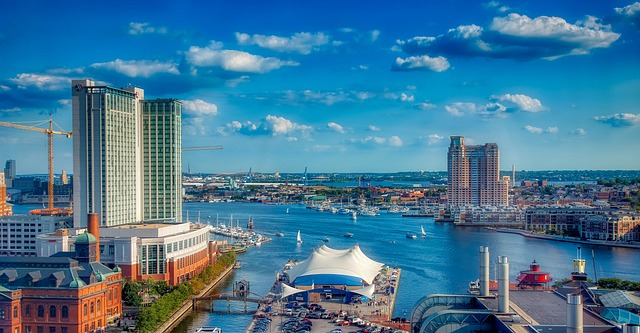
This one very likely won’t come as a surprise to you. Baltimore has offered strong real estate investment opportunities for those searching for some of the best real estate markets in Maryland. Of course, it is the largest city in Maryland, but that’s not the only reason why investors are drawn to this city. It’s an integral East Coast city, but the housing and cost of living are still relatively affordable compared with many nearby metro areas. This makes it attractive for investment property potential.
Baltimore by the Numbers
Let’s break down what you’re looking at:
- Median home price, city: Around $245,000, based on recent 2026 sale-price data
- Median home price, Baltimore City county-level data: Around $254,000, depending on the dataset and reporting period
- Average monthly rent: Varies by property type and neighborhood, but many investor datasets place typical rents in the mid-$1,000s
- Cap rates: Baltimore can offer stronger cash flow potential than many DC-area suburbs, though actual cap rates vary significantly by neighborhood, property condition, taxes, insurance, and financing
- Occupancy rates: Rental demand remains supported by healthcare, universities, government-related employment, and affordability relative to surrounding areas
Baltimore is a stable, resilient area and has a reputation for having strong employment anchors. This includes, but is not limited to, Johns Hopkins, major healthcare systems, universities, government employers, and regional corporate offices. Many young professionals and new families are drawn to Baltimore for employment opportunities as well as the lower cost of living in a bustling city. Not to mention, there are also universities located in this city, which can increase rental opportunities and make it an increasingly popular area for young people.
Best Baltimore Neighborhoods for Investors
If you’re zeroing in on Baltimore, here are some spots worth your attention:
- Pigtown: Often considered a more affordable entry point with strong cash flow potential
- Hampden: A bit pricier, but the artsy vibe keeps demand high
- Remington: Emerging development and revitalization make this an appreciation play
- Canton: Higher entry prices, but strong long-term appreciation potential
- Federal Hill: A solid middle ground with strong renter demand and access to amenities
As an investor, you can expect a decent rental yield outlook in Baltimore compared with many higher-priced Maryland suburbs. We recommend looking closely at neighborhoods like Pigtown and Lauraville, while verifying current rents, property taxes, insurance, and maintenance costs before buying. If you’re not looking for a rental unit, Baltimore can also be a strong area to evaluate for house flipping. One quick note: Baltimore City has one of the highest property tax rates in Maryland, at $2.248 per $100 of assessed value, so factor that into your calculations.
2) Germantown
While Maryland has many unique areas, Germantown is consistently viewed as one of the desirable places to live in Montgomery County. As it’s such a desirable suburb, it’s a great place to focus on if you’re looking for investment properties. Germantown is expected to continue to be popular with families, commuters, and professionals, making it a market worth considering for long-term investment.
Why Germantown Works for Investors
Here’s what makes Germantown stand out:
- Location: Part of the broader Montgomery County and I-270 biotech corridor
- Major employers: IBM, Lockheed Martin, government contractors, and nearby life sciences employers
- Schools: Strong public schools attract families who may stay long-term
- Rental demand: Consistent demand from government employees, contractors, and professionals working throughout the DC metro area
If you’re a house flipper, Germantown is an interesting place to consider investing in. There are many strong schools in the area, which makes the area popular with families who want to settle down long-term. This is something to consider when flipping houses there. If you’re looking for a great investment property, Germantown could be one of the better suburban options to evaluate.
The nice thing about Germantown is it gives you Montgomery County benefits without the sky-high prices of Bethesda or some parts of Rockville. Recent 2026 sale-price data places Germantown’s median sale price around $450,000, which is still relatively reasonable for many DC-area suburbs.
3) Towson
Towson is seen as a promising area for property investors, as a budding area near Maryland’s largest city.
Towson has a big-city feel but with the close community that only suburbs can enjoy. Why is this important for real estate investors? Well, many people who choose to live in Towson are homeowners, which can make house flipping a viable strategy when the right property is purchased at the right price.
Towson Investment Snapshot
Here’s what Towson looks like:
- Median home price: Around $495,000, based on recent 2026 sale-price data
- Average monthly rent: Varies by property type, location, and bedroom count
- Cap rates: Often more moderate than Baltimore City, with returns depending heavily on purchase price and rental strategy
- STR performance: Short-term rental performance should be verified with current local data and regulations before investing
If you’re more into rental units, Towson isn’t a lost cause. Young professionals and students continue to look for rental property opportunities in Towson. It’s close enough to Baltimore to enjoy city life while offering a more suburban feel. Perhaps it’s a good idea to cash in on this trend while it is still growing.
One big advantage? Lower property taxes than Baltimore City. Plus, Towson University and Greater Baltimore Medical Center provide a steady stream of renters. That university population alone makes this worth considering.
4) Columbia
Of course, we have to mention Columbia when we talk about Maryland real estate. It’s a highly regarded planned community in Howard County. Need we say more?
Columbia has a lot going for it when it comes to real estate. It has strong school districts, nearby universities and employment centers, relatively low crime, and strong appeal for young families. Recent 2026 sale-price data places Columbia’s median sale price around $501,000. Rental costs vary by property type and size, so investors should compare neighborhood-level rents against current purchase prices before buying.
Columbia’s Investment Appeal
What makes Columbia special for investors:
- Median home price: Around $501,000, based on recent 2026 sale-price data
- Low vacancy appeal: Families tend to stay put once they move in
- Johns Hopkins APL proximity: Steady stream of well-paid professionals nearby
- Fort Meade access: Government and defense contractors nearby
- Strong livability reputation: Columbia frequently appears in best-places-to-live discussions for Maryland
If you’re not looking for a rental property, house flipping is also a great option to consider. As we mentioned, Columbia has a reputation for being family-friendly, which attracts long-term residents. The planned community design also means strong neighborhood amenities and HOAs that can help support property values. It’s the kind of place where you can reasonably expect both stable rental demand and long-term appreciation potential.
5) Rockville
Rockville in Montgomery County is a great area to consider for long-term appreciation and select house-flipping opportunities. It’s an area in Maryland that is popular with families, professionals, and commuters. Rockville has it all: big-city convenience, suburban appeal, strong schools, and access to major employment centers.
Rockville Market Data
Here’s what you’re working with in Rockville:
- Median home price: Around $699,000, based on recent 2026 sale-price data
- Average monthly rent: Varies by property type, location, and bedroom count
- Cap rates: Often lower than Baltimore because Rockville is more of an appreciation play than a pure cash flow market
- Livability: Rockville continues to be recognized for quality of life and strong access to jobs, transportation, and amenities
Rockville’s proximity to Washington, DC also really heightens its popularity, especially with real estate investors. When you invest in a property in Rockville, you can attract young professionals and families who work near the capital but don’t want the hustle and bustle of the city.
The I-270 tech corridor runs right through this area, bringing access to employers and institutions like NIH, NIST, FDA, biotech companies, and government contractors. That government and life sciences employment stability can help support demand during different economic cycles. If you’re playing the long game and prioritizing appreciation over immediate cash flow, Rockville is a strong market to evaluate.
Rockville has a strong rental property market, too. You’ve probably already seen the apartment complexes, condos, and single-family homes. This beautiful area really does offer a wealth of opportunities when it comes to real estate investment.
6) Hyattsville
Hyattsville is a bit of a hidden gem when it comes to Maryland, and it should not be overlooked or underestimated. Great markets like this can sometimes be obvious, but people don’t always jump on them early.
As a suburb near Washington, DC, it has significant potential and may be worth evaluating while it remains more affordable than many other DC-area suburbs. It has a small-town feel with access to major employment centers, which can make it a surprisingly strong rental market.
Why Hyattsville is Worth Watching
Hyattsville has benefited from development momentum, access to transit, and interest from renters and buyers who want proximity to Washington, DC without paying the highest prices in the region.
Here’s what makes Hyattsville attractive:
- Lower entry prices than many DC suburbs, with recent 2026 sale-price data around $469,000
- Strong rental demand from government workers, students, and young professionals
- Metro access connecting to Washington, DC
- Emerging development bringing new amenities, restaurants, and neighborhood improvements
The key here is timing. Hyattsville has not reached the same level of pricing as some more established DC suburbs, which means investors may still find opportunities before prices move significantly higher. That’s the dream for many investors, really.
7) Frederick
Last but not least, we have Frederick. This is arguably one of the best places that you can invest in when it comes to Maryland. Frederick has seen growth in local business, downtown amenities, and regional employment, which has created a vibrant atmosphere and made it an attractive place for people to move to, whether that means renting or buying a house.
Frederick Investment Numbers
Let’s look at what Frederick offers:
- Median home price: Around $440,000 in Frederick city and around $489,000 at the county level, based on recent 2026 sale-price data
- Average monthly rent: Varies by property type, location, and bedroom count
- Cap rates: Often moderate, depending on purchase price, rental strategy, and financing
- Days on market: Around 37 days in recent city-level data, though some submarkets may take longer
- Livability: Frederick continues to be recognized as one of Maryland’s appealing smaller cities
Something else to point out: there is a strong artsy vibe in Frederick, which can support rental demand. This vibrant, creative community may continue to grow, which could increase the demand for apartments and rental homes. It’s a good area to keep your eye on if you’re looking for opportunities in the rental market.
Frederick’s Hidden Advantage: Short-Term Rentals
Here’s something interesting about Frederick that often gets overlooked. One 2026 short-term rental dataset reports Frederick STR occupancy at 45.1%. The historic downtown, proximity to hiking trails, and weekend tourism can make it attractive for Airbnb-style rentals. However, investors should always verify current short-term rental regulations, licensing rules, taxes, and neighborhood restrictions before buying.
Fort Detrick and the growing biotech sector also provide stable employment, so you’re not just banking on tourism. It’s a nice balance.
What to Take Away From Maryland’s Real Estate Market
So, there we have it: the best places to invest in Maryland real estate. We hope this provided you with enough information to make the best decisions on where to look for investment properties in Maryland.
Of course, you should always consider the risks, know your investment goals, and be realistic, especially in the current economic climate. This is essential before you begin your search.
Quick Tips Before You Invest
Before you jump in, keep these things in mind:
- Know your strategy: Are you after cash flow, appreciation, or a mix of both?
- Factor in property taxes: They vary widely across Maryland, with Baltimore City at $2.248 per $100 of assessed value while some counties are significantly lower
- Consider fractional real estate investing: Platforms like Ark7 let you invest in rental properties starting at just $20 per share
- Watch the regulations: Some areas have stricter rental and short-term rental rules than others
If you make the most informed decision, you can align your investment with your goals, which will maximize your chances of building a portfolio that works for you. Overall, Maryland is a great area to enhance your investment portfolio and get you moving with real estate investments.
Frequently Asked Questions
What is the average home price in Maryland in 2026?
The median home sale price across Maryland was approximately $448,407 as of May 2026. Prices vary significantly by location, with Baltimore City averaging around the mid-$200,000s and Rockville reaching around $699,000.
Which Maryland city offers the best rental yields for investors?
Baltimore often offers some of the strongest cash flow potential in Maryland because entry prices are lower than in many DC-area suburbs. However, investors should account for Baltimore City’s high property tax rate of $2.248 per $100 of assessed value, as well as insurance, maintenance, vacancy, and neighborhood-level rent differences when calculating returns.
Is now a good time to invest in Maryland real estate?
The current market shows encouraging signs for investors. Active listings are up 12.4% year over year, days on market have increased to about 45 days, and sale-to-list price ratios are around 99.3%, giving buyers more negotiating power than in recent years. Whether it is a good time for you depends on your financing, rental strategy, local market, and risk tolerance.
What are the best Maryland cities for house flipping?
Baltimore, Germantown, and Rockville are strong markets to evaluate for house flipping. Baltimore offers lower entry prices with strong demand, Germantown attracts long-term families due to strong schools and suburban appeal, and Rockville’s proximity to DC makes it popular with professionals and families.
Can I invest in Maryland real estate with a small budget?
Yes, through fractional real estate platforms like Ark7, you can start investing in rental properties with as little as $20 per share, making real estate investment more accessible without needing large amounts of capital upfront.
Related Articles
Here are some other articles that might be helpful:
- Best Places To Invest In California
- Best Places to Invest In Texas
- Best Places To Invest In Arizona
- Best Places To Invest In Jacksonville
- Best Places To Invest In Cleveland
- Best Places To Invest In Tennessee
- Best Places To Invest In Georgia
- Best Places To Invest In Real Estate
Real estate investing involves risk, including potential loss of principal. Past performance does not guarantee future results. Rental income, property values, and occupancy rates can fluctuate based on market conditions, regulatory changes, and economic factors. This article is for informational purposes only and does not constitute investment advice.