
Making the decision to invest in real estate does not have to come with expensive price tags. This can even be true of neighborhoods in Miami, New York, Seattle, and other thriving metropolises with high GDPs. While it seems like an uncertain time to invest, current market conditions present unique opportunities for informed investors. This article will walk you through the best neighborhoods to invest in Miami, Florida, so you can weigh factors ranging from proximity to outdoor activities and tourist attractions to insurability and Return on Investment (ROI). From northeast Miami to the area’s downtown, there’s a lot of promise in this growing area of the United States.
Fast forward to 2026, and Miami continues to shine as one of the most active real estate markets in the country. Miami-Dade remains one of the nation’s leading counties for net international migration, and Greater Downtown has grown substantially, reaching about 101,000 residents in 2023, up 68% from 2012. Current market conditions actually favor buyers, with homes spending longer on the market and selling below asking on average. This creates real opportunities for investors who do their homework.
Key Takeaways
- Miami-Dade remains one of the nation’s leading U.S. counties for net international migration, and Greater Downtown reached about 101,000 residents in 2023, up 68% from 2012.
- Realtor.com classified Miami-Dade as a buyer’s market, with homes selling about 3.6% below asking on average in March 2026.
- Neighborhoods range from accessible, redevelopment-driven areas like Little Haiti and Allapattah to established luxury markets such as Coral Gables and Coconut Grove.
- Rental yield figures throughout are illustrative gross estimates (annual rent divided by purchase price, before expenses such as vacancy, taxes, insurance, HOA, and management costs) and not guaranteed net returns.
- Insurance costs, hurricane and flood risk, and rising HOA fees should be factored into ROI calculations, especially for waterfront and barrier-island properties.
- Fractional real estate investing through platforms like Ark7 lets investors access Miami markets starting as low as $20 per share.
New to passive real estate investing?
Explore Ark7 OpportunitiesTop Neighborhoods to Consider in Miami
Miami real estate investors, especially long-distance investors, will want to weigh the merits of each opportunity before making a final purchase. By studying Miami’s market, comparing different neighborhoods, and understanding what to look for in Florida investment opportunities, investors from all over the globe can make careful decisions that are more likely to support a healthy ROI. These neighborhoods may offer different risk-return profiles depending on purchase price, financing, insurance, regulation, and hold period.
Landlord insurance may help cover certain property and liability risks, but investors should separately evaluate windstorm, flood, and policy exclusions before underwriting any return.
Miami Beach
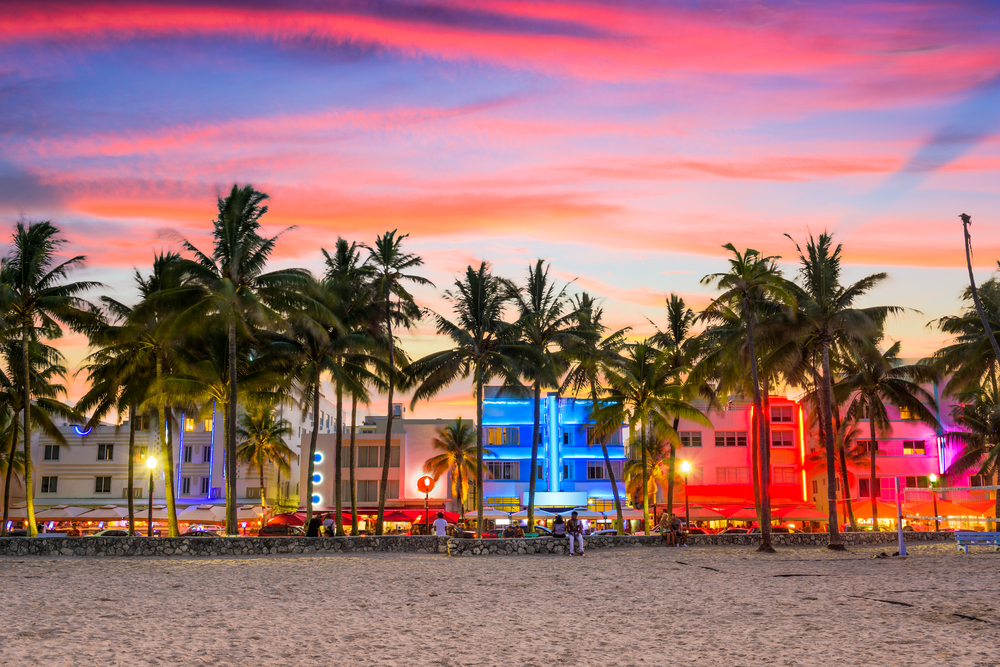
Miami Beach stands out as one of the most popular investment destinations in Miami-Dade County due to its world-famous beaches along the Atlantic Ocean, luxury properties, and thriving tourism industry. The area is divided into several sub-districts, each catering to different preferences.
Key investment considerations for Miami Beach:
- South Beach can have strong visitor demand, but vacation-rental legality depends on zoning, building rules, and city licensing. Many Miami Beach properties cannot legally operate as short-term rentals, since rentals under six months and one day are prohibited in all single-family homes and many multifamily buildings in certain zoning districts.
- Prices in this area reflect its premium positioning, which can be prohibitive for beginning real estate investors.
- With programs like Ark7, first-time buyers can own shares of property rather than purchasing an entire asset, as with a traditional real estate investment.
Additional points to keep in mind:
- Strong global recognition drives consistent international buyer interest.
- Supply is naturally constrained since it is a barrier island.
- Short-term rental regulations vary, so verify local rules before buying.
- Hurricane and flood insurance costs should be factored into your ROI calculations.
South of Fifth
Located at the southernmost tip of Miami Beach, South of Fifth (SoFi) offers a more exclusive and upscale atmosphere. The neighborhood features high-end restaurants, luxury condominiums with waterfront views, and close proximity to the beach. SoFi is particularly attractive for investors seeking premium properties and long-term appreciation potential. Properties in this area, especially commercial space, are in finite supply and benefit from the area’s longstanding reputation as a high-value region of Miami.
Coral Gables
Coral Gables, known for its lush greenery and Mediterranean-style architecture, is one of the most sought-after Miami neighborhoods for real estate investment. With a strong focus on preserving its historic charm, the area features upscale properties, highly rated schools, and a thriving business community, making it a strong choice for both residential and commercial investments.
Recent public listing data places Coral Gables median listing prices closer to $1.9M, though condo and single-family prices differ significantly. Here is what investors should know:
- Median listing price: around $1.9M (Realtor.com), varying by property type.
- Schools: highly rated, appealing to family-oriented buyers.
- Rental yield: roughly 3% to 5% gross, lower due to high prices but generally stable, before expenses.
- Best for: wealth preservation and family-oriented investors with a long-term timeline.
The trade-off is that gross rental yields are compressed because prices are high. For investors prioritizing stability over quick cash flow, Coral Gables remains a durable option.
Miami Design District
The Miami Design District has undergone a significant transformation in recent years, evolving from an industrial zone to a trendy cultural hub. Home to high-end fashion boutiques, art galleries, and notable dining, this neighborhood attracts affluent residents and tourists alike. Investing here offers exposure to ongoing redevelopment and rising property values. Located north of Miami proper, the Design District is known for its appeal to the arts, from the Institute of Contemporary Art to the street art on nearby buildings.
Northeast Coconut Grove
Coconut Grove’s northeastern section has emerged as a focus for real estate investment due to its mix of residential properties and commercial spaces. The area appeals to young professionals and families with its charming streets, proximity to parks, and vibrant social scene. As the Grove continues to redevelop, investors are watching it closely.
Recent public listing data places Coconut Grove well above $2M, with Northeast Coconut Grove around $3M and above. Investors looking at this submarket can expect:
- Strong demand from affluent families and professionals.
- Very limited supply, which supports long-term appreciation potential.
- Highly rated schools that draw family-focused buyers.
This neighborhood is generally suited to long-term appreciation strategies rather than pure cash flow.
Little Haiti
Previously an overlooked neighborhood, Little Haiti now draws considerable interest from real estate investors. Its relative affordability and proximity to trendy districts like the Design District and Wynwood have contributed to its growth. Little Haiti remains an investor-watched neighborhood, but current public listing data shows modest year-over-year movement, with values varying by source (Redfin, Zillow, and Realtor.com report figures in roughly the $540K to $600K range, depending on methodology).
The Magic City Innovation District redevelopment is bringing institutional interest and new energy to the area. Keep in mind that rents are still catching up to prices, so this tends to be more of an equity play than a cash-flow play. As always, verify current pricing and rents at the property level.
Downtown Miami
Downtown Miami is a bustling urban core and a prime location for real estate investment, particularly luxury apartments and apartment towers. The area offers a mix of residential and commercial properties, including high-rise condos, retail, and office space. Proximity to major business hubs, cultural attractions, and transit makes it an attractive rental market for investors seeking income and capital appreciation. Downtown’s appeal to tourists and professionals helps support consistent rental demand.
Midtown Miami
Midtown Miami is a thriving urban neighborhood that has seen substantial development over the past decade. With a diverse range of housing options, including apartments, condos, and townhouses, investors can find opportunities catering to different demographics. Its location between Downtown Miami and the Design District adds to its appeal for those seeking quality rental properties.
Brickell
While Brickell technically falls within the Downtown area, it deserves special attention for investors focused on rental income. This financial district has become a popular choice for cash-flow-oriented condo investors in 2026.
- Median listing price: roughly $735K to $800K, depending on the Brickell submarket (Realtor.com).
- Rental yield: Brickell can offer attractive gross rental yields for condo investors, but yields vary materially by building, HOA fees, insurance, and purchase price (yield estimated as annual rent divided by purchase price, before expenses).
- The professional tenant base, with finance, tech, and remote workers, helps drive demand, and walkability is high.
One factor to watch closely: HOA and condo association fees have been rising sharply in South Florida, driven by insurance, labor, reserves, and regulatory changes. Investors should review building budgets carefully before underwriting returns.
For investors who want exposure to Brickell-style condo markets without buying an entire unit, fractional real estate investing through platforms like Ark7 offers a way to buy shares in curated rental properties starting as low as $20 per share.
Emerging Markets: Allapattah and Little River
Two additional neighborhoods are gaining momentum in 2026:
- Allapattah sits west of Wynwood and continues to draw interest as industrial-to-residential conversions reshape the area. Pricing has historically run below that of many surrounding neighborhoods, so investors should verify current listing data at the property level.
- Little River, north of Little Haiti, is earlier in its development cycle. It is frequently cited as gaining development and pricing momentum, making it better suited to investors with a long horizon and higher risk tolerance.
Waterfront and Coastal Neighborhoods
When thinking about ROI and property value, waterfront neighborhoods hold longstanding appeal for vacationers and long-term residents alike. For those who want proximity to Miami without the bustle of downtown, the following areas attract local and international interest.
Buena Vista
Buena Vista is a historic neighborhood undergoing revitalization in recent years. Its picturesque streets, vintage architecture, and emerging cultural scene attract both residents and investors seeking unique properties with growth potential.
North Miami Beach
North Miami Beach, located in northern Miami-Dade County, offers a mix of residential and commercial opportunities. Its diverse community and access to amenities make it attractive for investors looking at longer-term returns.
North Beach
Situated north of South Beach, North Beach offers a more tranquil, family-friendly atmosphere. Investment options range from beachfront condos to single-family homes, providing flexibility and growth potential.
Little Havana
Little Havana is a vibrant neighborhood known for its rich Cuban culture, colorful art, and cuisine. As the area continues to redevelop, investors can find relatively approachable price points with potential for appreciation and rental income.
South Beach Miami
South Beach, synonymous with Miami’s glitz and glamour, attracts tourists and investors alike. Its iconic Ocean Drive, nightlife, and beaches make it a focus for vacation-oriented demand. As noted above, short-term rental legality is heavily restricted in many Miami Beach districts, so verify zoning, building rules, and licensing before underwriting any rental strategy.
Edgewater
For investors who want a balance of appreciation and yield, Edgewater deserves a close look. This waterfront neighborhood sits between Downtown and Midtown.
- Median listing price: recent public market data places Edgewater closer to the low-to-mid $700Ks, though building-level pricing varies widely (Realtor.com; CondoIntelligence).
- Rental yield: roughly 5% to 6% gross, before expenses.
- Edgewater offers waterfront living with a short commute to Brickell’s financial district, and it is popular with young professionals seeking an urban lifestyle at a more approachable price point.
Tips for Purchasing Investment Property in Miami, FL
While Miami offers enticing opportunities, it is important to approach the market with a well-informed strategy. Consider these tips when hunting for your next property:
- Research the market: Study historical property trends, demographics, and local development plans for the neighborhoods you are considering.
- Work with local experts: A reputable agent or advisor with deep Miami knowledge can provide valuable insight.
- Consider rental demand: Look for neighborhoods with strong rental demand, proximity to amenities, and access to attractions.
- Assess infrastructure and amenities: Properties near transit, schools, parks, and commercial centers tend to attract more buyers and tenants.
- Check property condition: Conduct a thorough inspection to identify maintenance or renovation needs that could impact your investment.
- Account for expenses: Factor in property taxes, insurance, maintenance, and management fees to calculate ROI accurately. Consider risks tied to owning property in Miami, from flooding to tropical storms and hurricanes, which affect both market value and insurability.
2026 Market Timing Considerations
A few additional points for investing in today’s market:
- Buyer-favorable conditions: Realtor.com classified Miami-Dade as a buyer’s market, with homes selling about 3.6% below asking on average in March 2026. January 2026 Miami city listings were up 11.2% year over year, providing room to negotiate.
- Interest rates: As of mid-June 2026, the 30-year fixed mortgage rate is around 6.5% (Freddie Mac), which keeps some buyers renting and supports rental demand.
- Development pipeline: Miami has a substantial condo pipeline, particularly in Downtown and Brickell, so investors should review submarket-level supply before purchasing.
Choosing Neighborhoods to Support Your ROI
When evaluating possible Miami investments, it can seem daunting to select the right rental property, especially for out-of-state investors. By weighing location, sale price, property value, and insurability, investors can make more informed decisions that support a healthy ROI over time. Whether you focus on a North Beach property or one near Biscayne Bay, Miami offers a range of options to match different strategies. Many neighborhoods still offer compelling value, and investors should verify pricing and rents at the property level before committing.
Quick Reference: Miami Investment Profiles for 2026
| Investment Goal | Neighborhoods to Watch | Typical Hold Period |
|---|---|---|
| Appreciation focus | Little Haiti, Allapattah | 7 to 10 years |
| Cash-flow focus | Brickell, Edgewater | 3 to 5 years |
| Balanced growth | Wynwood, Coconut Grove | 5 to 7 years |
| Capital preservation | Coral Gables, Pinecrest | 10+ years |
This table is illustrative only and not a forecast of returns. Actual outcomes depend on purchase price, financing, insurance, regulation, and hold period.
For investors who want to diversify across multiple Miami neighborhoods without large upfront capital, fractional real estate platforms offer a practical path. You can spread investment across property types and locations, earning passive income via monthly cash distributions while properties are professionally sourced, acquired, and managed on your behalf.
Conclusion
Miami’s real estate market in 2026 offers a diverse mix of opportunities, from redevelopment-driven neighborhoods to established luxury enclaves. With buyer-favorable conditions, strong international migration, and a deep pool of submarkets, the city remains a compelling setting for investors who do their homework and underwrite carefully.
Why Miami Stands Out for Real Estate Investment
Several fundamentals reinforce Miami’s appeal:
- Buyer-favorable conditions: Homes recently sold below asking on average, creating negotiation room.
- Sustained demand: Miami-Dade remains a leading county for net international migration.
- Diverse entry points: From accessible redevelopment areas to high-end coastal markets.
- Long-term momentum: A substantial development pipeline signals continued activity in core submarkets.
Investor Tips for the Miami Market
Successful investing here hinges on understanding local idiosyncrasies and staying current on neighborhood trends. Pair careful market research with disciplined underwriting that accounts for insurance, HOA budgets, hurricane and flood risk, and short-term rental regulations. Treat every yield figure as an illustrative gross estimate, not a guaranteed net return, and verify pricing and rents at the property level before committing capital.
For those who want to start building a real estate portfolio without the barriers of traditional ownership, Ark7’s platform offers a path forward, with shares starting as low as $20.
Frequently Asked Questions
What are the best Miami neighborhoods for first-time real estate investors in 2026?
First-time investors often look to redevelopment-driven areas like Little Haiti and Allapattah for more accessible entry points, though pricing varies and should be verified at the property level. Alternatively, fractional real estate platforms like Ark7 allow new investors to start with as little as $20 per share, providing access to curated rental properties without the high capital requirements of traditional investing.
How do hurricane and flood insurance costs affect Miami real estate ROI?
Hurricane and flood insurance costs are critical factors, particularly for waterfront and barrier-island properties like those in Miami Beach. These expenses should be factored into ROI calculations from the start, as they can significantly affect cash flow. HOA and condo fees have also been rising sharply across South Florida due to insurance, labor, reserves, and regulatory changes. Always request detailed insurance estimates and HOA budgets before investing.
Which Miami neighborhoods offer attractive rental yields?
Condo-heavy areas like Brickell and Edgewater can offer attractive gross rental yields, supported by strong professional tenant demand. Yields vary materially by building, HOA fees, insurance, and purchase price, and are calculated as annual rent divided by purchase price before expenses. Luxury markets such as Coral Gables tend to offer lower gross yields (roughly 3% to 5%) but greater stability and appreciation potential.
Is 2026 a good time to invest in Miami real estate?
Conditions in 2026 are relatively buyer-favorable. Realtor.com classified Miami-Dade as a buyer’s market, with homes selling about 3.6% below asking on average in March 2026, and January 2026 Miami city listings were up 11.2% year over year, providing negotiation opportunities. Miami-Dade also remains a leading county for net international migration. As with any market, outcomes depend on careful underwriting.
What is fractional real estate investing and how does it work in Miami?
Fractional real estate investing allows multiple investors to purchase shares of individual properties rather than buying entire properties outright. Platforms like Ark7 enable investors to start with as little as $20 per share, providing access to curated rental properties. Investors can earn passive income through monthly cash distributions while the platform handles sourcing, acquisition, and management, allowing diversification across neighborhoods and property types without large upfront capital.
Real estate investing involves risk, including potential loss of principal. Past performance does not guarantee future results. Rental income, property values, and occupancy rates can fluctuate based on market conditions, regulatory changes, and economic factors. Investments such as those on the Ark7 platform are speculative and involve substantial risks, including illiquidity, lack of diversification, and the potential complete loss of capital. Neither Ark7 nor Ark7 Properties is a broker-dealer or investment adviser. This article is for informational purposes only and does not constitute investment advice.
New to passive real estate investing?
Explore Ark7 OpportunitiesHere are some other articles that might be helpful –
- Best Places To Invest In Tampa, Florida
- Best Neighbourhoods To Invest In Jacksonville, Florida
- Buying Investment Properties In Florida
- Best Places To Invest In California
- Best Places to Invest In Texas
- Best Places To Invest In Arizona
- Best Places To Invest In Cleveland
- Best Places To Invest In Tennessee
- Best Places To Invest In Georgia