

Key Takeaways
- Pittsburgh offers affordable entry points for real estate investors, with Zillow reporting an average home value of about $242,954, down 0.6% over the past year.
- NeighborhoodScout reports a roughly 38.93% five-year appreciation figure for Pittsburgh, though Zillow’s current index shows the average home value down 0.6% year over year, so longer-term and current trends differ by source.
- The area’s major universities, including Pitt’s Pittsburgh campus, Carnegie Mellon, and Duquesne, contribute tens of thousands of students to housing demand.
- Top neighborhoods to evaluate include South Oakland for student housing, Lawrenceville for young professionals, Carrick for value-oriented cash flow, and emerging areas like Hazelwood.
- Pennsylvania has a flat state personal income tax of 3.07%, though investors should also account for local, property, and federal taxes.
- Major employers, including UPMC, Google’s Pittsburgh office, and PNC’s downtown headquarters, support the region’s employment base and rental demand.
- Fractional real estate investing platforms allow investors to start with as little as $20 per share in professionally managed properties.
Sometimes called “The City of Champions,” Pittsburgh remains a relatively affordable, East Coast-adjacent market with active rental demand. For investors seeking East Coast appeal without the costs of places like New York, Zillow reports a Pittsburgh average home value of about $242,954. WalletHub ranked Pittsburgh No. 57 out of 182 cities in its 2026 Best & Worst Places to Rent in America study. Let’s look at why Pittsburgh may be worth an investment property for your next move.
What makes 2026 worth a look? NeighborhoodScout reports a five-year appreciation figure for Pittsburgh of about 38.93%, while Zillow’s current Pittsburgh index shows the average home value down 0.6% year over year. Pittsburgh’s relatively low purchase prices and steady rental demand can support attractive rent-to-price ratios, but yields vary significantly by property and neighborhood.
New to passive real estate investing?
Explore Ark7 OpportunitiesWhere Are the Best Places to Buy Investment Property in Pittsburgh?
When looking for an investment property, a few factors deserve attention. Do your due diligence and research prospects thoroughly before investing. Key factors to weigh before signing a mortgage include:
- Location: Look for neighborhoods with good school districts, access to highways and public transit, proximity to major employers, and nearby amenities like Penn Avenue, Carnegie Mellon University, or attractions such as the Andy Warhol Museum.
- Budget: Find a property within budget while considering potential returns. Is it in a developing area where you can buy low and benefit from appreciation? Leave room to add value for turnkey or resale opportunities.
- Taxes, rates, and logistical costs: Watch county, state, and federal legislation, especially tax incentives, which can save thousands with a little research.
Key Numbers to Know in 2026
A quick snapshot of Pittsburgh’s market, per Realtor.com’s May 2026 summary:
- Median listing price: about $275,000.
- Median sold price: about $256,000.
- Median rent: about $1,500.
- Pennsylvania state income tax: a flat 3.07%, plus local, property, and federal taxes.
- Rental vacancy (metro): Realtor.com cited about 6.9% in 2025, down from 8.7% in 2024.
- Renter-occupied households (city): roughly half, per Census ACS estimates.
Investor returns vary by property, financing, expenses, and neighborhood. These conditions make Pittsburgh worth a look if you are exploring fractional real estate investing to start with lower capital requirements.
Why Invest in Pittsburgh?
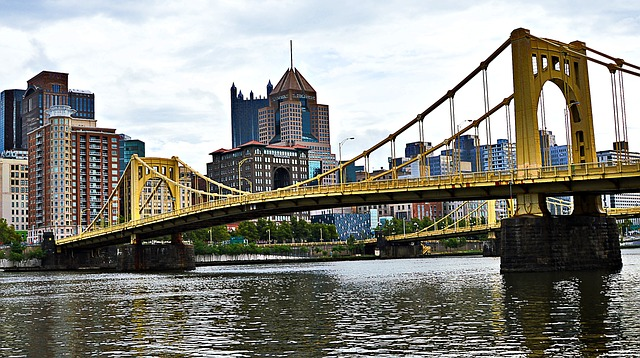
The Pittsburgh market has drawn investor attention thanks to steady rental demand, relative affordability, and a diversified economy.
A Strong Market for Rental Properties
Pittsburgh is home to several universities and medical centers, drawing a continuous flow of students, young professionals, and medical staff. This sustained demand supports a stable rental market, with options from single-family homes to multi-unit buildings that let investors tailor strategies to their goals and risk tolerance.
The area’s student population is substantial, with major universities including the University of Pittsburgh’s Pittsburgh campus, Carnegie Mellon, and Duquesne contributing tens of thousands of students who need housing each year, demand that tends to persist through economic cycles.
Relatively Affordable Home Prices
Pittsburgh has shown steadier price behavior than many large metros. Rather than the runaway prices seen elsewhere, it offers relative affordability with longer-term appreciation potential, though current Zillow data show values down 0.6% year over year, so investors should weigh both long-term and recent trends.
A Diverse Local Economy
Pittsburgh has shifted from its historical reliance on steel to a diversified economy spanning technology, healthcare, education, and finance, supporting job growth and steady employment. For investors, that means a consistent pool of potential tenants and buyers.
Major employers and offices supporting the region include:
- UPMC: one of the region’s largest employers and the largest non-governmental employer in Western Pennsylvania, with more than 63,000 employees.
- Google: a growing Pittsburgh tech office.
- PNC Financial Services: headquartered downtown at The Tower at PNC Plaza.
- Westinghouse Electric: headquartered in Cranberry Township, in the northern suburbs.
Historical and Cultural Significance
Pittsburgh’s history adds appeal, with historic neighborhoods offering opportunities to restore heritage properties, from converting old industrial buildings into lofts to revitalizing historic homes, which can support property values as areas become more desirable.
Infrastructure and Connectivity
Well-maintained roads, public transit, and major highways make Pittsburgh convenient for residents and commuters, and Pittsburgh International Airport adds access for travelers. The light rail (known locally as “the T”) connects the South Hills suburbs to downtown, making areas like Mt. Lebanon popular with commuters.
Best Neighborhoods to Invest in Pittsburgh: Top 10 to Investigate in 2026
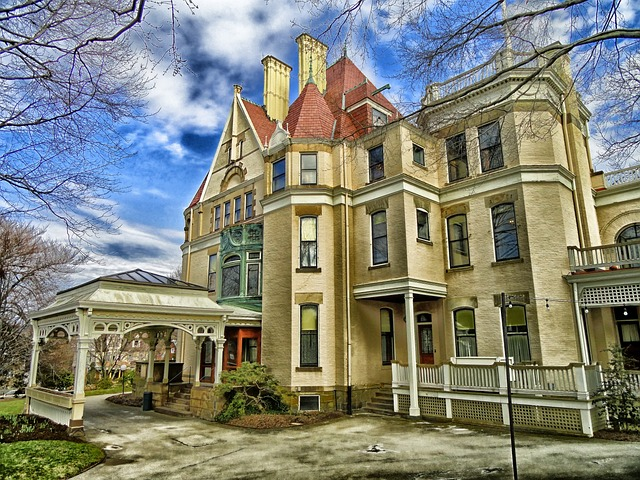
Pittsburgh’s culture, history, and diverse communities have made it attractive to investors. Here are ten neighborhoods to consider for 2026.
Downtown Pittsburgh
Downtown remains a hotspot, with an iconic skyline, cultural amenities, and proximity to major employers. Its mix of residential and commercial property and ongoing revitalization appeal to investors focused on urban living and business development.
South Oakland
South Oakland is often evaluated for student-housing demand because of its proximity to universities and medical centers. Investors may find opportunities in student housing, multi-family properties, or small businesses serving the academic community, though property-level returns vary by purchase price, financing, and expenses.
If you are looking for passive income from real estate, student-oriented housing in South Oakland is worth a close look.
Brighton Heights
On the North Side, Brighton Heights offers a suburban feel within city limits, appealing to families and those seeking a quieter setting. Investors can explore single-family homes and rentals, helped by affordability relative to some other neighborhoods.
Strip District
The Strip District remains a hub for commerce and culture, with historic charm and modern development creating a varied landscape. Retail spaces, loft apartments, and mixed-use projects can all fit the neighborhood’s dynamic character.
Lower Lawrenceville
Lower Lawrenceville, sometimes called “Lawrenceville’s Gateway,” has seen a resurgence, with an artistic vibe, local shops, and proximity to entertainment. Opportunities may include converting older buildings into apartments.
Note that current listing data run higher than older affordability assumptions: Realtor.com listed Central Lawrenceville’s median listing price at about $454,950 as of May 2026. The area attracts young professionals, medical workers, and tech employees, but cap rates and cash flow vary by property and should be verified at the parcel level.
Brookline
Brookline offers a suburban setting a short drive from downtown, with affordability, schools, and parks appealing to families. Single-family homes, duplexes, and small commercial properties can all serve the community.
Carrick
South of downtown, Carrick is positioned for potential growth, with affordability and transit access making it attractive for portfolio expansion. Realtor.com lists Carrick’s median listing price at about $147,000, one of the lower entry points in the city. Rent and returns vary by property, so verify rent-to-price ratios with current data before underwriting.
Mount Washington
Mount Washington offers striking views of the city and the three rivers, making it a niche market. Opportunities include condos, short-term rentals, and view-focused restaurants. The Duquesne and Monongahela Inclines bring steady visitors, which can support short-term rental interest. Note that Pittsburgh launched its Residential Housing Rental Permit Program on December 19, 2024, and city materials state registration also applies to short-term rentals listed on platforms such as Airbnb and Vrbo, so confirm current rules before investing.
Bloomfield
Bloomfield, often called “Pittsburgh’s Little Italy,” is known for its culinary scene and community spirit. Investors can explore commercial, mixed-use, or residential property.
Current listing data may be higher than older affordability assumptions: Realtor.com listed Bloomfield’s median listing price at about $415,000 as of May 2026. Where two-to-four-unit properties qualify for owner-occupied loans, the area can still suit house hacking strategies, though investors should confirm current pricing and financing terms.
Shadyside
Shadyside blends historic charm with upscale living, with tree-lined streets, high-end shopping, and proximity to major universities. Luxury apartments, boutique retail, and well-maintained historic properties are worth considering.
Bonus: Emerging Neighborhoods to Watch
A few more areas are gaining investor attention in 2026.
Hazelwood
Hazelwood is drawing interest thanks to the Hazelwood Green development, a major tech and innovation campus with CMU- and Pitt-related research activity. Entry prices remain relatively low, and appreciation potential is among the higher in the city as infrastructure improves, though figures should be verified with current listings.
Squirrel Hill South
Squirrel Hill South is generally a higher-price, stability-oriented neighborhood known for strong schools, attracting medical professionals, faculty, and executives who tend to stay long-term. Verify current purchase and rent figures from MLS, Realtor.com, or Zillow before underwriting.
East Liberty
East Liberty is a redevelopment success story with residential and commercial opportunities near major employers like Google and UPMC. Current listing data can be significantly higher than older estimates: Realtor.com listed the neighborhood’s median listing price at about $649,000 as of May 2026, so confirm figures before investing.
Conclusion
Pittsburgh’s appeal rests on a combination of factors: a steady rental market, relative affordability, a diversified and resilient economy, historical character, and strong infrastructure. As the city continues to evolve, investors are finding a range of opportunities across its neighborhoods.
Why Pittsburgh Stands Out for Real Estate Investment
The current fundamentals support the city’s case:
- Relative affordability, with a Zillow average home value of around $242,954.
- Steady, university- and healthcare-driven rental demand across economic cycles.
- A diversified employer base, including UPMC, Google, PNC, and Westinghouse.
- A flat 3.07% state income tax, alongside local, property, and federal taxes to budget for.
Investor Tips for Engaging with Pittsburgh’s Property Market
Success in Pittsburgh hinges on property-level analysis. Neighborhood listing prices have moved well above older affordability assumptions in areas like Lawrenceville, Bloomfield, and East Liberty, so verify current pricing through Realtor.com, Zillow, or the MLS rather than relying on dated figures. Treat any yield or cap-rate estimate as a gross figure before vacancy, taxes, insurance, maintenance, and management, and confirm short-term rental eligibility under the city’s rental permit program before underwriting an Airbnb-style plan. Match the neighborhood to your goal, whether that is student-housing cash flow, value-add, or longer-term stability.
For those who want to explore Pittsburgh real estate without managing properties themselves, fractional investing platforms let you buy shares in curated rental properties for as little as $20 per share. These are securities investments that involve risk, including illiquidity and possible loss of principal, and distributions are not guaranteed, so review the offering materials before investing.
Frequently Asked Questions
What is the average home price in Pittsburgh for investment properties?
Zillow reports a Pittsburgh average home value of about $242,954. Realtor.com’s May 2026 summary lists a median listing price near $275,000 and a median sold price near $256,000, with figures varying by neighborhood. Areas like Carrick offer lower entry points (around $147,000 median listing), while neighborhoods like Squirrel Hill South run higher.
What are the best Pittsburgh neighborhoods for rental income?
Neighborhoods often evaluated for rental income include South Oakland for student housing, Lawrenceville for young professionals, Carrick for value-oriented cash flow, and Bloomfield for a balance of demand and amenities. Each offers different tenant demographics and strategies, and actual returns vary by property and financing.
How much rental income can I expect from a Pittsburgh investment property?
Returns vary by property and neighborhood. Realtor.com listed a Pittsburgh median rent near $1,500 as of May 2026. The city’s relatively low purchase prices and steady rental demand can support attractive rent-to-price ratios, but treat any yield estimate as a gross figure before expenses and verify property-level numbers.
What are the tax advantages of investing in Pittsburgh real estate?
Pennsylvania has a flat state personal income tax of 3.07%, though investors should also account for local, property, and federal taxes. Real estate investors may also benefit from standard federal deductions, including mortgage interest, property taxes, depreciation, and operating expenses, depending on their situation.
Can I invest in Pittsburgh real estate with a small budget?
Yes. Lower-cost neighborhoods like Carrick show median listing prices around $147,000, while fractional real estate investing platforms let you start with as little as $20 per share in professionally managed properties.
Real estate investing involves risk, including potential loss of principal. Past performance does not guarantee future results. Rental income, property values, and occupancy rates can fluctuate based on market conditions, regulatory changes, and economic factors. Neither Ark7 nor Ark7 Properties is a broker-dealer or investment adviser. This article is for informational purposes only and does not constitute investment advice.
Are you ready to take the next steps for securing an affordable rental investment located in one of the most exciting markets in the nation? Browse available listings today!
- Investment Properties In Colorado
- Investment Properties In Phoenix
- Investment Properties In Kansas City
- Investment Properties In Orlando
- Investment Properties In Tampa
- Investment Properties In Houston
- Investment Properties In Miami
- Best Neighborhoods To Invest In Baltimore
- Best Neighborhoods To Invest In Philadelphia
- Best Neighborhoods To Invest In Detroit
- Best Places To Invest In Charlotte
- Best Place To Invest In Maryland